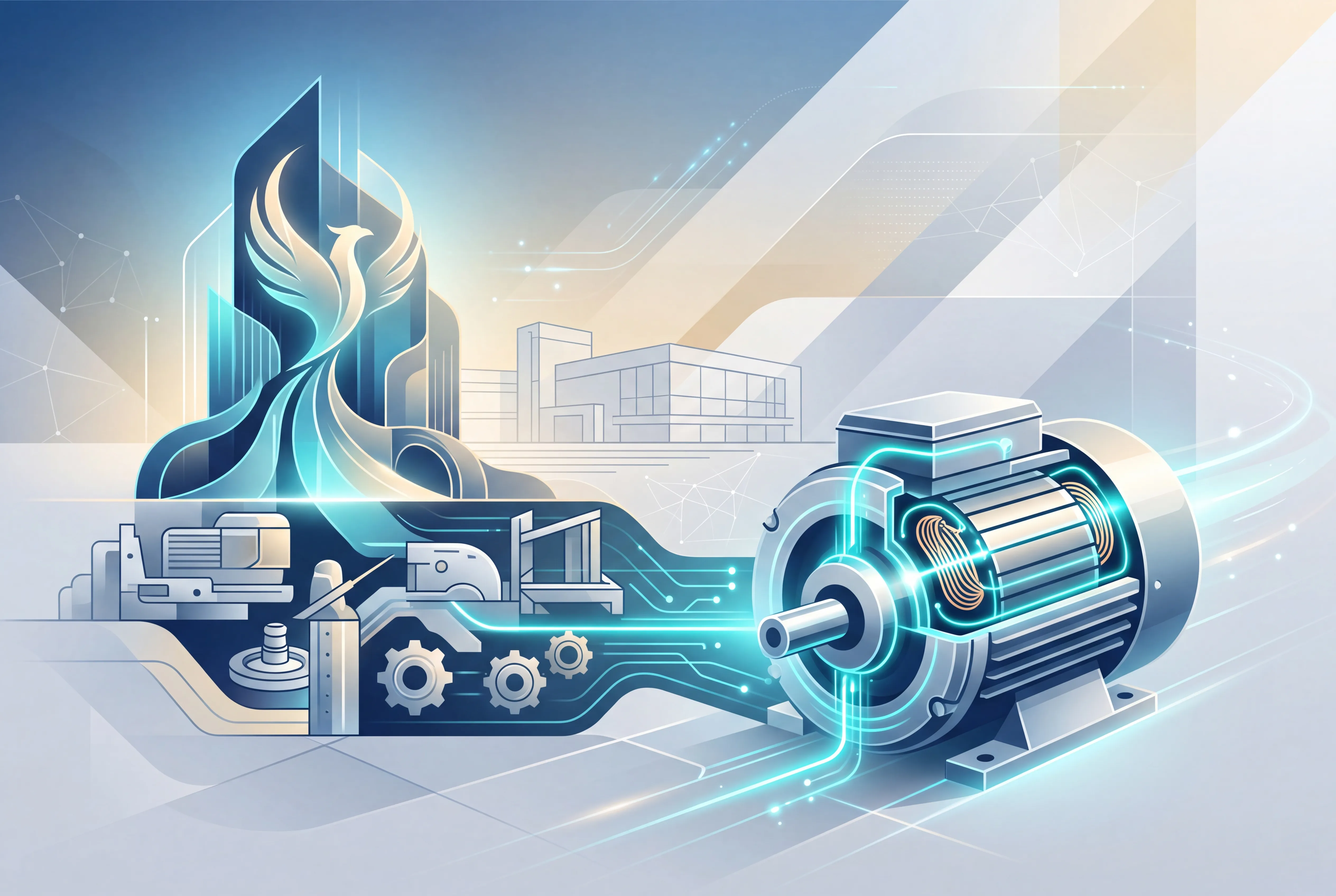
Akshyark Energy & Technologies: Analyzing the Future of Solar Innovation
Explore the business model and market analysis of Akshyark Energy & Technologies. Learn about the future of unconventional solar energy for modern startups.
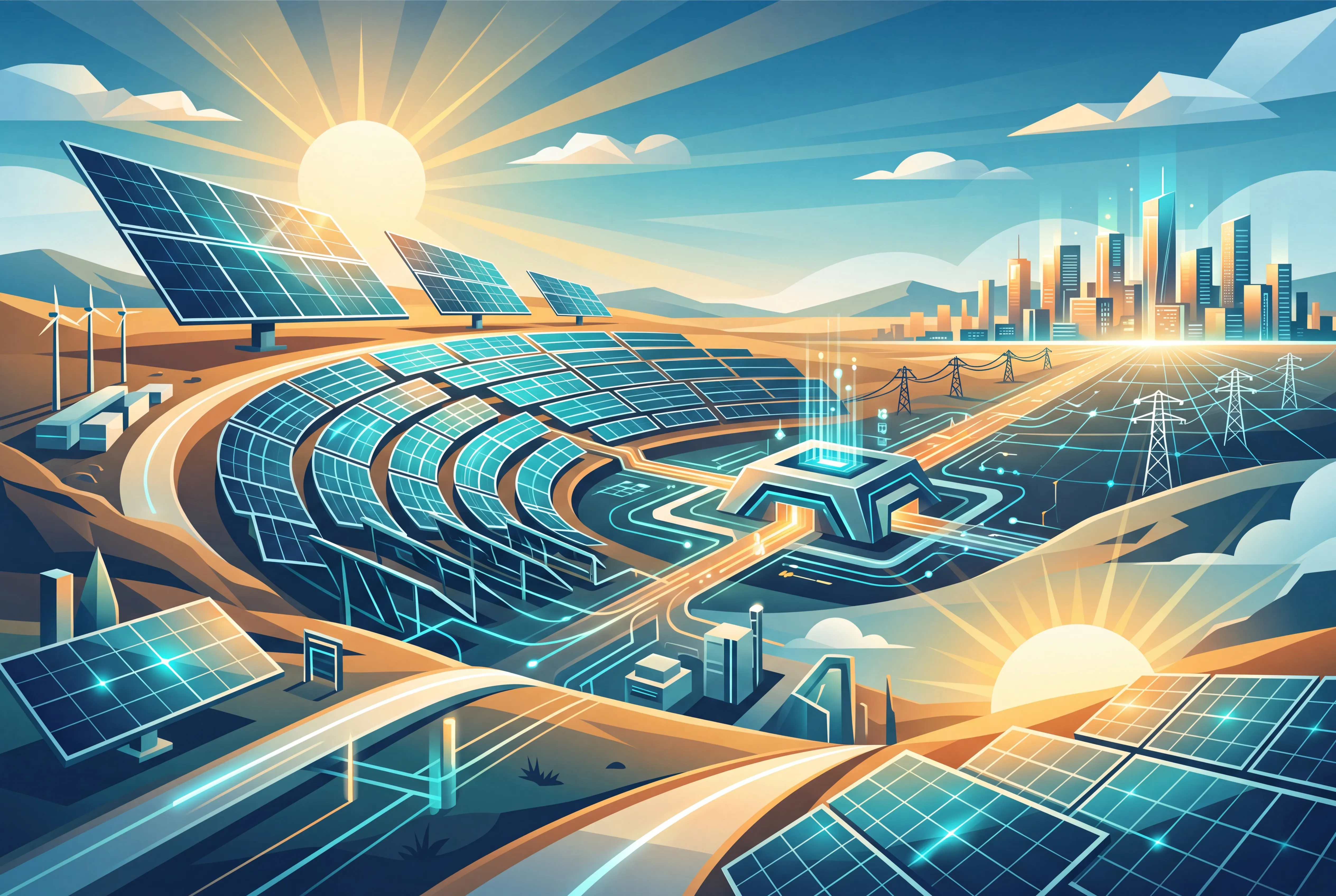
Introduction: Who is Akshyark Energy & Technologies Private Limited and What Problem Do They Solve?
Akshyark Energy & Technologies Private Limited is a renewable energy firm based in Gautam Buddha Nagar, Uttar Pradesh, specializing in unconventional solar energy harvesting. By moving beyond standard panel deployments to explore new methods of electricity generation from solar inputs, the company aims to address the efficiency limitations of traditional solar setups. For the modern energy sector, this shift is critical because existing solar infrastructure often faces land-use constraints and efficiency plateaus, making unconventional methods vital for sustainable scaling.
Energy startups like Akshyark Energy & Technologies are navigating a landscape where the demand for clean, consistent power is colliding with the physical limitations of current silicon-based solar technology. The core problem they address is the 'generation gap'—the space between available sunlight and the amount of energy we are actually able to capture using standard, legacy solar methodologies. By focusing on unconventional inputs, they attempt to tap into unexplored technical efficiencies that could redefine regional energy footprints.
Understanding the importance of this work requires acknowledging the massive energy transition underway in India. As urbanization accelerates in Uttar Pradesh and beyond, the dependency on grid-based electricity becomes a logistical and environmental burden. Akshyark Energy & Technologies sits at the intersection of this transition, acting as a potential catalyst for localized, high-efficiency solar solutions that move beyond the limitations of standard rooftop installations.
Market Analysis: Industry Trends and Target Audience
The renewable energy market is experiencing a paradigm shift where 'unconventional' is becoming the new 'standard'. The target audience for Akshyark Energy & Technologies includes industrial estates, tech parks, and commercial complexes in Uttar Pradesh that require high-density power solutions but lack the footprint for massive solar farms. These entities are increasingly focused on environmental, social, and governance (ESG) compliance, making the adoption of efficient, non-traditional solar technologies a business necessity.
Key industry trends currently supporting this business model include:
- Decentralization of Power: Businesses are moving away from centralized grids toward localized micro-grids to ensure operational continuity and cost control.
- Tech-Integrated Renewables: The integration of AI and IoT with solar hardware allows for real-time monitoring and adaptive energy capture, which is exactly where companies focusing on unconventional solar inputs can excel.
- Government Incentives: With policies favoring indigenous renewable technology development, firms like Akshyark Energy & Technologies are well-positioned to benefit from subsidies and research-heavy grant programs targeting sustainable infrastructure in Uttar Pradesh.
Competitive Landscape: How Akshyark Energy & Technologies Compares to Existing Alternatives
The market for solar energy is currently dominated by traditional hardware manufacturers providing standard photovoltaic (PV) panels. While these companies benefit from established supply chains and recognizable brand trust, they often struggle with technical stagnation. Akshyark Energy & Technologies differentiates itself by prioritizing innovation in the capture process rather than just the installation of commoditized panels.
Key Advantages of Akshyark Energy & Technologies
- Technical Differentiation: By focusing on unconventional solar inputs, the company avoids direct price competition with low-cost, mass-produced PV panel suppliers.
- Regional Specialization: Being based in a major industrial hub like Gautam Buddha Nagar allows for close collaboration with local industrial clients who are often the first to adopt cutting-edge energy tech.
- Focus on Efficiency: Unconventional methods often aim to solve the intermittency issues common with traditional solar, potentially offering a more consistent power output profile.
Limitations and Market Challenges
- High R&D Costs: Developing proprietary or unconventional energy hardware is capital intensive and requires significant patience before the R&D translates into positive cash flow.
- Adoption Skepticism: Commercial and industrial clients are notoriously risk-averse; convincing them to move away from proven silicon panels to new, 'unconventional' technology requires a strong validation record.
- Regulatory Hurdles: Dealing with energy policy, grid connectivity laws, and safety certifications for new technologies in India can create significant friction in the go-to-market strategy.
AI Startup Validation Score & Assessment
- Problem Significance: 85/100 - Solving energy inefficiency is a top-tier global priority.
- Market Demand: 75/100 - The demand for renewable energy is massive, though the specific demand for 'unconventional' solar is niche.
- Innovation Level: 80/100 - Moving beyond standard PV panels shows a commitment to original intellectual property.
- Business Model Potential: 65/100 - Renewable hardware is notoriously hard to scale without significant early-stage funding.
- Scalability Opportunity: 70/100 - If the technology is patented and licensable, the scalability could be exponential.
- Competitive Advantage: 60/100 - Established players have deep moats; the company must defend its tech through IP.
- Long-Term Sustainability: 75/100 - ESG mandates make clean energy a permanent fixture of the future economy.
Overall Validation Score: 73/100
Strategic Lessons for Aspiring Entrepreneurs
- Validate Before You Build: Just because you have a 'better' technology doesn't mean the market is ready to pay for it. Founders should use tools like ideation.biz to conduct thorough competitor and market sentiment analysis before dumping capital into hardware prototypes.
- Solve for the 'Switching Cost': The biggest hurdle for a startup like Akshyark Energy & Technologies is not just making the tech work, but making it easy for customers to abandon their current energy provider. Always factor in the cost of installation, training, and transition for the user.
Opportunities for Concept Improvement & Expansion
- Hybridization: Combining their unconventional solar methods with energy storage systems could solve the intermittent power issue entirely, making the product much more attractive to industrial clients.
- Data-as-a-Service (DaaS): Instead of just selling hardware, the company could monetize the performance data generated by their solar inputs to provide predictive maintenance and energy consumption analytics.
Opportunities and Risks of Starting a Similar Business
Opportunities
New founders in the renewable space can leverage the massive push for green energy in emerging markets. There is a huge opportunity to provide 'solar-plus' solutions, where the generation is paired with management software or storage, catering to the growing need for smart grid integration in dense urban areas.
Risks
Entry barriers include high regulatory compliance costs, intense competition from government-backed entities, and the technical complexity of energy hardware. A failure to demonstrate safety and reliability at scale can lead to complete project abandonment by institutional investors.
Frequently Asked Questions
FAQ 1: What is the main problem that Akshyark Energy & Technologies addresses?
They address the inefficiency and physical limitations of traditional solar energy capture by focusing on unconventional methods to generate electricity from solar inputs, catering to industrial and commercial energy needs.
FAQ 2: Who are the primary target customers for this type of business?
Industrial estates, large-scale manufacturing facilities, tech parks, and commercial complexes that have high electricity demands and a strong mandate to adopt sustainable energy solutions.
FAQ 3: What is the typical revenue model for a startup like Akshyark Energy & Technologies?
Models often include direct hardware sales, installation and maintenance service contracts, and potentially, long-term power purchase agreements (PPAs) where they sell the electricity generated to the client at a fixed rate.
FAQ 4: How can someone validate a similar startup idea?
Validating an energy hardware startup requires assessing technical feasibility alongside market appetite. You can use platforms like ideation.biz to perform automated SWOT analyses and competitor research, ensuring your technical innovation aligns with actual customer pain points rather than just theoretical 'better' performance.
FAQ 5: What factors should be analyzed before launching a new venture?
Founders should evaluate the total addressable market (TAM), regulatory barriers, patent landscape, and customer willingness to switch from incumbent technologies. A platform like ideation.biz can provide a structured roadmap to evaluate these factors, helping you identify if your business case is sound before you commit to hardware development.
FAQ 6: How can founders identify hidden risks in their business concept?
Risk assessment involves deep-diving into potential market saturation, technical failure rates, and supply chain fragility. Using an automated analytical tool like ideation.biz allows founders to see beyond their own bias, highlighting market risks that often go unnoticed in the excitement of a new technical breakthrough.
Conclusion
Akshyark Energy & Technologies represents the necessary evolution of the solar industry—one that looks beyond the surface of traditional PV panels to find more efficient ways to power our world. While the hardware sector is demanding, the potential to lead in renewable energy innovation is immense for those who can navigate the technical and regulatory landscape effectively.
Before you dive headfirst into your own renewable tech venture, ensure your business case holds water. Stop guessing and start validating your ideas with data-driven insights. Visit ideation.biz to run a comprehensive market analysis on your next big concept and see where you stand in the competitive landscape.
Validate Your Startup Idea Before You Invest Time & Money
Get instant market insights, competitive analysis, and strategic recommendations for your next venture.
Related Blogs
More insights on validation and entrepreneurship.