ACIC-KIF USD.COM LLP: Reshaping Sustainability through Used Product Marketplaces
Explore the circular economy model of ACIC-KIF USD.COM LLP, its focus on reliable used products, and key business insights for budding entrepreneurs.
Introduction: Who is ACIC-KIF USD.COM LLP and What Problem Do They Solve?
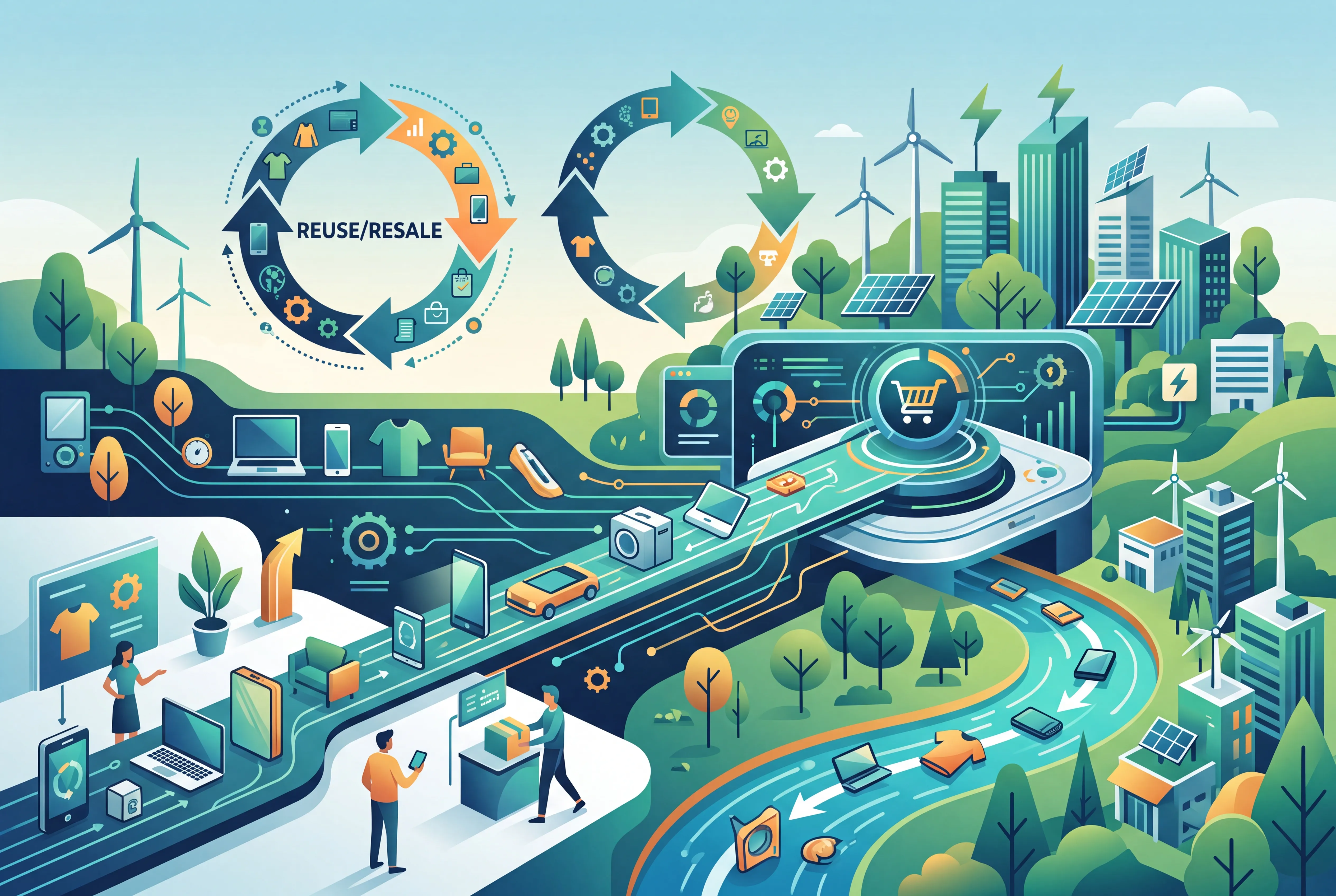
ACIC-KIF USD.COM LLP is a waste management startup based in Virudhunagar, Tamil Nadu, dedicated to promoting the reuse of quality, reliable products. By facilitating a trusted marketplace for used goods, the company addresses the dual challenges of consumer affordability and environmental waste. Their business model serves as a bridge for local sellers and small businesses, aiming to reduce landfill contributions while making essential items accessible to budget-conscious demographics.
The core of the problem ACIC-KIF USD.COM LLP tackles is the linear "take-make-dispose" model of consumption that dominates modern markets. Every year, millions of tons of functional household and commercial items are discarded prematurely, placing immense pressure on natural resources and waste management infrastructure. By creating a reliable secondary market, the startup not only extends the lifecycle of products but also fosters a culture of conscious consumption.
Furthermore, the startup addresses the gap in trust often found in local resale markets. By positioning themselves as a professional entity, they offer a layer of reliability that informal "peer-to-peer" classified ads often lack. This focus on reliability is essential for small businesses and families who need quality goods but want to avoid the risks associated with unverified second-hand transactions. Their approach reflects a growing global trend toward circular economy practices, where businesses pivot from manufacturing new products to managing the longevity of existing ones.
Market Analysis: Industry Trends and Target Audience
The target audience for ACIC-KIF USD.COM LLP includes value-conscious families, small business owners looking for affordable equipment, and environmentally aware citizens in Tamil Nadu. The market for used goods is experiencing significant growth, driven by digital transformation, economic volatility, and rising environmental consciousness.
Key industry trends supporting this model include:
-
The Rise of the Circular Economy: Consumers and governments alike are moving away from waste-heavy consumption. Policies that favor waste reduction and resource recovery create a favorable regulatory environment for businesses like ACIC-KIF USD.COM LLP.
-
Digital Trust in Resale: While local markets have always existed, the integration of professional standards into resale platforms is a growing trend. Customers are increasingly willing to buy used items if the business provides quality assurance, warranty-like guarantees, or transparent condition reporting.
-
Economic Accessibility: Inflation and economic pressure on households make second-hand goods a practical financial strategy. Small businesses, in particular, benefit from lower entry costs when they can source high-quality used equipment instead of buying expensive new assets.
The customer pain points are centered around the uncertainty of quality, the hassle of logistical coordination, and the lack of a standardized pricing mechanism in the informal used goods sector. ACIC-KIF USD.COM LLP solves these by formalizing the exchange, ensuring that customers know exactly what they are getting for their money.
Competitive Landscape: How ACIC-KIF USD.COM LLP Compares to Existing Alternatives
ACIC-KIF USD.COM LLP faces competition from several fronts, including massive online classified platforms, local brick-and-mortar thrift stores, and unorganized, peer-to-peer neighborhood resale groups. While platforms like OLX or Facebook Marketplace offer broad reach, they often lack the curated quality control that ACIC-KIF USD.COM LLP aims to provide.
Key Advantages of ACIC-KIF USD.COM LLP
- Localized Trust: Unlike faceless digital platforms, ACIC-KIF USD.COM LLP brings a professional, local identity to the resale process, which builds long-term community trust.
- Quality Assurance: By curating the inventory, the startup significantly reduces the risk for buyers, ensuring products are functional and reliable.
- Sustainability Impact: The startup isn't just selling goods; they are promoting a mission-driven approach to waste reduction, which resonates with modern demographics.
Limitations and Market Challenges
- Logistics and Inventory Management: Handling physical goods, including cleaning, inspection, and storage, is significantly more complex and capital-intensive than operating a pure digital listing platform.
- Scaling Geographic Reach: Since physical goods require local presence, scaling beyond a specific region presents unique operational challenges that digital-first companies avoid.
- Trust-Based Competition: Competing against established, low-friction platforms requires constant investment in customer experience and reputation management to ensure sellers and buyers keep returning.
AI Startup Validation Score & Assessment
- Problem Significance: 85/100 - Waste management and the high cost of goods are major, persistent issues, especially in rapidly developing regions like Tamil Nadu.
- Market Demand: 80/100 - There is a proven, growing appetite for affordable, reliable used products across all socio-economic layers.
- Innovation Level: 65/100 - The business model is a classic circular economy play. While not "inventing" resale, its local implementation shows tactical innovation in regional waste management.
- Business Model Potential: 75/100 - With clear revenue streams through commission or margin-based resale, the model is financially sound if operational overhead is managed.
- Scalability Opportunity: 60/100 - Physical logistics represent a hard ceiling to growth, requiring a decentralized approach to scale across larger regions.
- Competitive Advantage: 70/100 - Their focus on "reliable" goods and local professional identity creates a niche that generic classified sites often fail to fill.
- Long-Term Sustainability: 85/100 - Sustainability is built into the core mission, aligning with global trends toward resource conservation.
Overall Validation Score: 74/100
Strategic Lessons for Aspiring Entrepreneurs
- Start with Local Trust: ACIC-KIF USD.COM LLP demonstrates that in the resale space, reputation is the product. Founders should focus on building a "safe" experience rather than just a massive inventory.
- Curate for Success: Instead of trying to list everything, focus on specific categories where quality assurance is most needed. This builds authority faster than trying to be a generalist.
- Align with Local Needs: By understanding the specific economic context of Virudhunagar, the startup can tailor its inventory and pricing to meet the exact financial requirements of its immediate community.
Opportunities for Concept Improvement & Expansion
- Digital Verification Tools: Integrating AI-powered quality assessment tools could help the team quickly evaluate goods, reducing the time spent inspecting items manually.
- Repair and Refurbishment Services: Moving from a simple resale model to a "repair-to-resale" model could capture more value per item while extending product life even further.
- B2B Partnerships: Partnering with local factories or corporate offices to manage their decommissioned assets would be a high-volume way to scale operations beyond individual consumer sales.
Opportunities and Risks of Starting a Similar Business
Opportunities
New founders have the opportunity to digitize the circular economy in underserved regions. The market is increasingly rejecting single-use products, providing a tailwind for anyone who can provide high-quality, pre-owned alternatives. Furthermore, integrating technology into the logistics of resale allows for efficiency gains that traditional shops lack.
Risks
The primary risks include the difficulty of maintaining inventory quality, managing the high variable costs associated with cleaning and repairing, and the threat of large-scale, well-funded e-commerce competitors entering the regional market. Success requires strict financial discipline and a clear focus on unit economics.
Frequently Asked Questions
FAQ 1: What is the main problem that ACIC-KIF USD.COM LLP addresses?
They focus on waste management and product affordability by creating a trusted, reliable marketplace for pre-owned goods, helping consumers find quality items while reducing landfill waste.
FAQ 2: Who are the primary target customers for this type of business?
The primary audience includes price-conscious households, local small businesses needing affordable equipment, and environmentally motivated citizens seeking sustainable alternatives to buying new products.
FAQ 3: What is the typical revenue model for a startup like ACIC-KIF USD.COM LLP?
The model typically involves earning a margin on the resale of goods, potentially complemented by service fees for refurbishment, logistics, or premium listing options for sellers.
FAQ 4: How can someone validate a similar startup idea?
Validation involves testing your value proposition with actual potential sellers and buyers. Before launching, use the ideation.biz platform to analyze market demand and potential risks in your specific region. This helps ensure you aren't building a business based on assumptions.
FAQ 5: What factors should be analyzed before launching a new venture?
Key factors include market size, competitive density, unit economics, and operational feasibility. You can use the ideation.biz toolkit to generate a SWOT analysis and strategic plan, which helps you visualize the path to sustainability before investing significant capital.
FAQ 6: How can founders identify hidden risks in their business concept?
Founders should conduct a rigorous SWOT analysis and competitor audit. Our tool at ideation.biz is designed to help founders identify risks such as logistical bottlenecks or market saturation, giving them the data needed to pivot before a full-scale launch.
Conclusion
ACIC-KIF USD.COM LLP highlights the immense potential of the circular economy when grounded in local trust and operational excellence. By focusing on quality and affordability, they prove that waste management can be a viable and necessary business venture. For entrepreneurs, the lesson is clear: solving a real, tangible problem with a focus on trust is the surest way to build a sustainable business.
If you have a business idea and want to avoid the common pitfalls that cause startups to fail, take the first step toward validation. Use ideation.biz to pressure-test your concept with data-driven insights and professional strategy tools before you spend your hard-earned time and capital.
Validate Your Startup Idea Before You Invest Time & Money
Get instant market insights, competitive analysis, and strategic recommendations for your next venture.
Related Blogs
More insights on validation and entrepreneurship.