ACIC-KIF SOLAR POWER LLP: Assessing the Viability of Renewable Solar Energy Startups
Explore the business model, market potential, and strategic challenges of ACIC-KIF SOLAR POWER LLP, a renewable energy startup in Tamil Nadu.
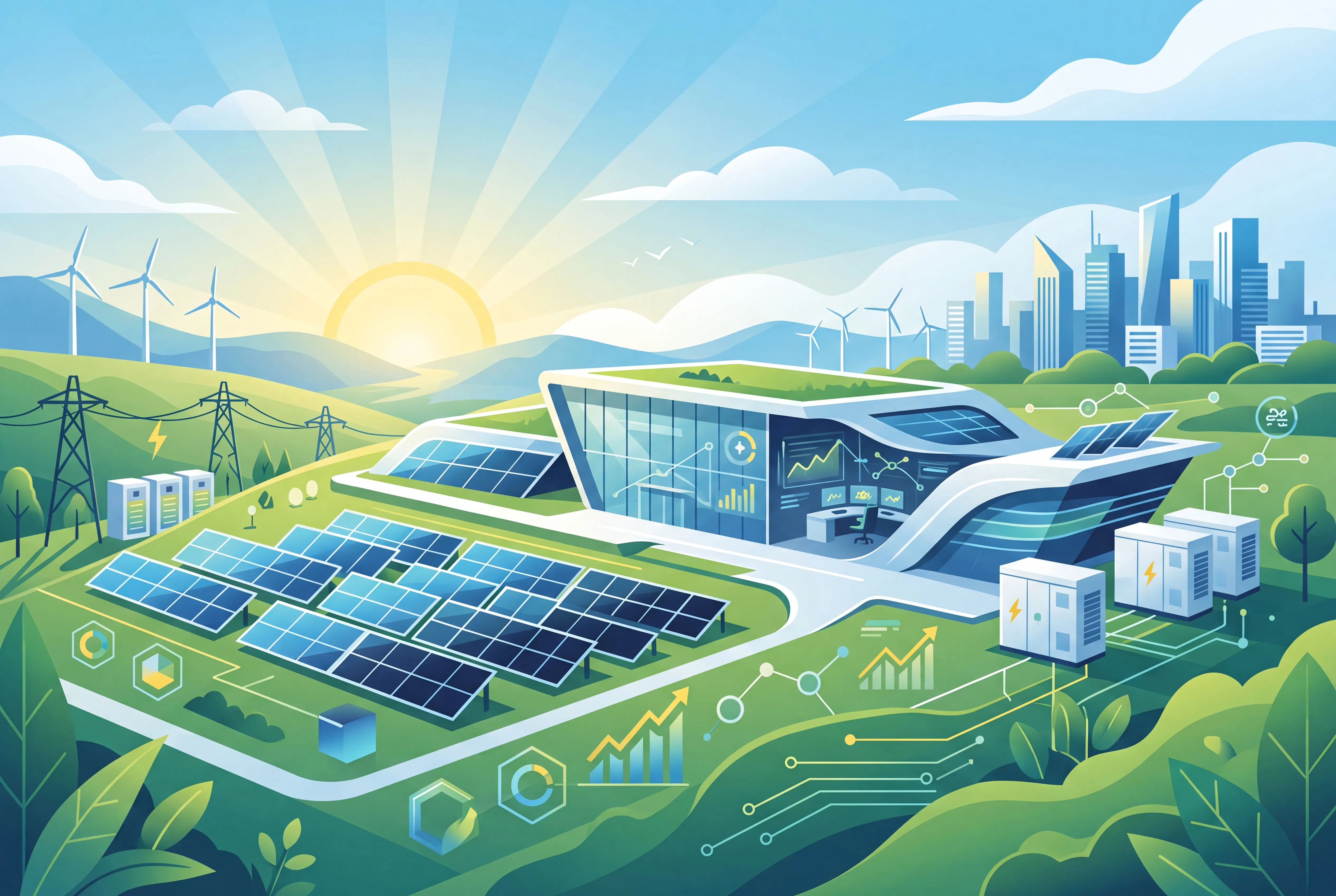
Introduction: Who is ACIC-KIF SOLAR POWER LLP and What Problem Do They Solve?
ACIC-KIF SOLAR POWER LLP is a renewable energy startup based in Virudhunagar, Tamil Nadu, dedicated to providing sustainable energy solutions through the installation and maintenance of solar power panels. The company aims to empower local communities by reducing dependence on traditional fossil fuels and promoting eco-friendly energy practices, addressing the urgent global need for decentralized, clean power production.
Energy infrastructure in rural and semi-urban India often faces reliability issues, with frequent power fluctuations and a heavy reliance on the coal-dominated national grid. By focusing on localized solar implementation, ACIC-KIF SOLAR POWER LLP addresses a critical infrastructure gap. Their model is rooted in the belief that sustainable energy is not merely an environmental goal but a practical requirement for long-term economic stability. For communities, this means lower electricity costs over time and energy independence. For the startup, it represents an opportunity to tap into the massive Indian solar market as the nation pushes toward aggressive net-zero targets.
Market Analysis: Industry Trends and Target Audience
The target audience for ACIC-KIF SOLAR POWER LLP includes residential homeowners, small to medium-sized enterprises (SMEs), and agricultural businesses in Tamil Nadu seeking to lower operational costs and improve energy reliability. These customers are primarily driven by the rising cost of grid electricity and the increasing frequency of power outages.
Key industry trends currently shaping this market include:
- Government Subsidies: The Indian government’s focus on solar penetration, through schemes like the PM-KUSUM (Pradhan Mantri Kisan Urja Suraksha evam Uttham Mahabhiyan) and residential rooftop solar incentives, significantly reduces the barrier to entry for consumers.
- Decentralized Power Generation: There is a shift away from centralized large-scale plants toward 'distributed energy resources' (DERs). Companies that can effectively install and manage rooftop solar systems are seeing higher demand as commercial and residential entities prioritize energy resilience.
- Technological Efficiency: Modern solar panels have reached higher conversion efficiencies while costs for hardware have plummeted. This price-performance ratio makes solar installation an increasingly viable financial investment rather than just an environmental choice.
Competitive Landscape: How ACIC-KIF SOLAR POWER LLP Compares to Existing Alternatives
The solar energy space is competitive, with players ranging from massive engineering procurement and construction (EPC) firms to small, local electrical contractors. Established competitors often focus on industrial-scale projects, leaving a gap for reliable local providers who offer personalized installation and maintenance.
Key Advantages of ACIC-KIF SOLAR POWER LLP
- Localized Presence: By operating out of Virudhunagar, ACIC-KIF SOLAR POWER LLP can provide faster support and maintenance, which is crucial for solar systems that require cleaning and technical check-ups.
- Community Integration: A mission-driven approach allows the firm to build trust, which is a major factor in the decision-making process for local households and farmers.
- Simplified Lifecycle Management: By handling both installation and long-term maintenance, they offer a 'turn-key' experience that reduces the complexity for the end-user.
Limitations and Market Challenges
- High Initial Capital Expenditure: Despite falling prices, the upfront cost for high-quality solar arrays remains a hurdle for many residential customers.
- Intermittent Power Issues: Without robust battery storage solutions, solar systems depend entirely on sunlight hours, making them insufficient for industries requiring 24/7 power without supplemental storage.
- Competitive Pricing: Large-scale solar installers can often command lower material costs due to economies of scale, putting pressure on smaller players like ACIC-KIF SOLAR POWER LLP to maintain tight margins.
AI Startup Validation Score & Assessment
- Problem Significance: 85/100 - Energy independence is a critical global challenge, especially in developing regions.
- Market Demand: 80/100 - Demand for renewable energy is at an all-time high, supported by government policy.
- Innovation Level: 60/100 - Solar installation is a established service model; innovation here lies in operational efficiency and customer service.
- Business Model Potential: 70/100 - Service and installation models are sustainable but require high customer acquisition effort.
- Scalability Opportunity: 65/100 - Scaling locally is manageable, but regional expansion requires significant capital and logistics management.
- Competitive Advantage: 55/100 - Competing against larger firms requires a strong local brand and superior customer retention.
- Long-Term Sustainability: 75/100 - Renewable energy is a multi-decade growth industry.
Overall Validation Score: 70/100
Strategic Lessons for Aspiring Entrepreneurs
- Focus on the After-Sales Loop: The biggest differentiator in the solar installation business is not just the initial setup, but the maintenance contract. Building a recurring revenue stream through AMC (Annual Maintenance Contracts) can stabilize cash flow.
- Leverage Policy Tailwinds: Success in renewable energy is deeply linked to local government policies. Entrepreneurs must master the application processes for subsidies to make their offering more attractive to cost-sensitive buyers.
Opportunities for Concept Improvement & Expansion
- Integrated Financing: Partnering with micro-finance institutions to provide 'pay-as-you-go' solar solutions could open up the market to lower-income demographics who cannot afford the upfront cost.
- Smart Monitoring: Integrating IoT sensors into the installed systems to provide clients with real-time analytics on energy production and savings could add a layer of tech-enabled value.
Opportunities and Risks of Starting a Similar Business
Opportunities
New entrants can focus on niche segments like cold storage for agriculture, which is vital in regions like Tamil Nadu. Providing a specialized, solar-powered refrigeration solution can command higher margins than standard residential rooftop setups.
Risks
Regulatory changes, supply chain disruptions in solar module availability, and the risk of low-quality, low-cost competition entering the market are significant threats that can erode profit margins.
Frequently Asked Questions
FAQ 1: What is the main problem that ACIC-KIF SOLAR POWER LLP addresses?
It addresses the reliance on non-renewable energy and high grid electricity costs by installing efficient, decentralized solar power systems for local communities.
FAQ 2: Who are the primary target customers for this type of business?
Residential homeowners, agricultural farmers, and small businesses looking to cut energy bills and ensure consistent power availability.
FAQ 3: What is the typical revenue model for a startup like ACIC-KIF SOLAR POWER LLP?
Revenue is typically generated through hardware sales (panels/inverters), installation service fees, and long-term annual maintenance contracts.
FAQ 4: How can someone validate a similar startup idea?
Validation involves testing demand, analyzing competitor pricing, and checking local regulations. You can use ideation.biz to perform market research and SWOT analysis to see if your solar venture has clear demand before buying inventory.
FAQ 5: What factors should be analyzed before launching a new venture?
Key factors include market size, competitive density, regulatory compliance, and customer acquisition costs. Using tools like ideation.biz allows you to map out these risks in minutes, saving you time and capital.
FAQ 6: How can founders identify hidden risks in their business concept?
Risk identification requires an objective look at market trends and potential failure points. Accessing a platform like ideation.biz provides you with data-driven competitor analysis and risk assessments to ensure you aren't building a solution for a problem that doesn't exist.
Conclusion
ACIC-KIF SOLAR POWER LLP highlights the growing intersection of local community needs and global sustainability trends. As the demand for renewable energy continues to scale, success for such startups will depend on operational efficiency and the ability to build trust at the local level. Whether you are entering the energy space or another industry, validating your business model is the best way to avoid common pitfalls. Before you invest your hard-earned capital into a new venture, use the ideation.biz tool to get instant, data-backed insights on your market, competition, and overall strategy.
Validate Your Startup Idea Before You Invest Time & Money
Get instant market insights, competitive analysis, and strategic recommendations for your next venture.
Related Blogs
More insights on validation and entrepreneurship.