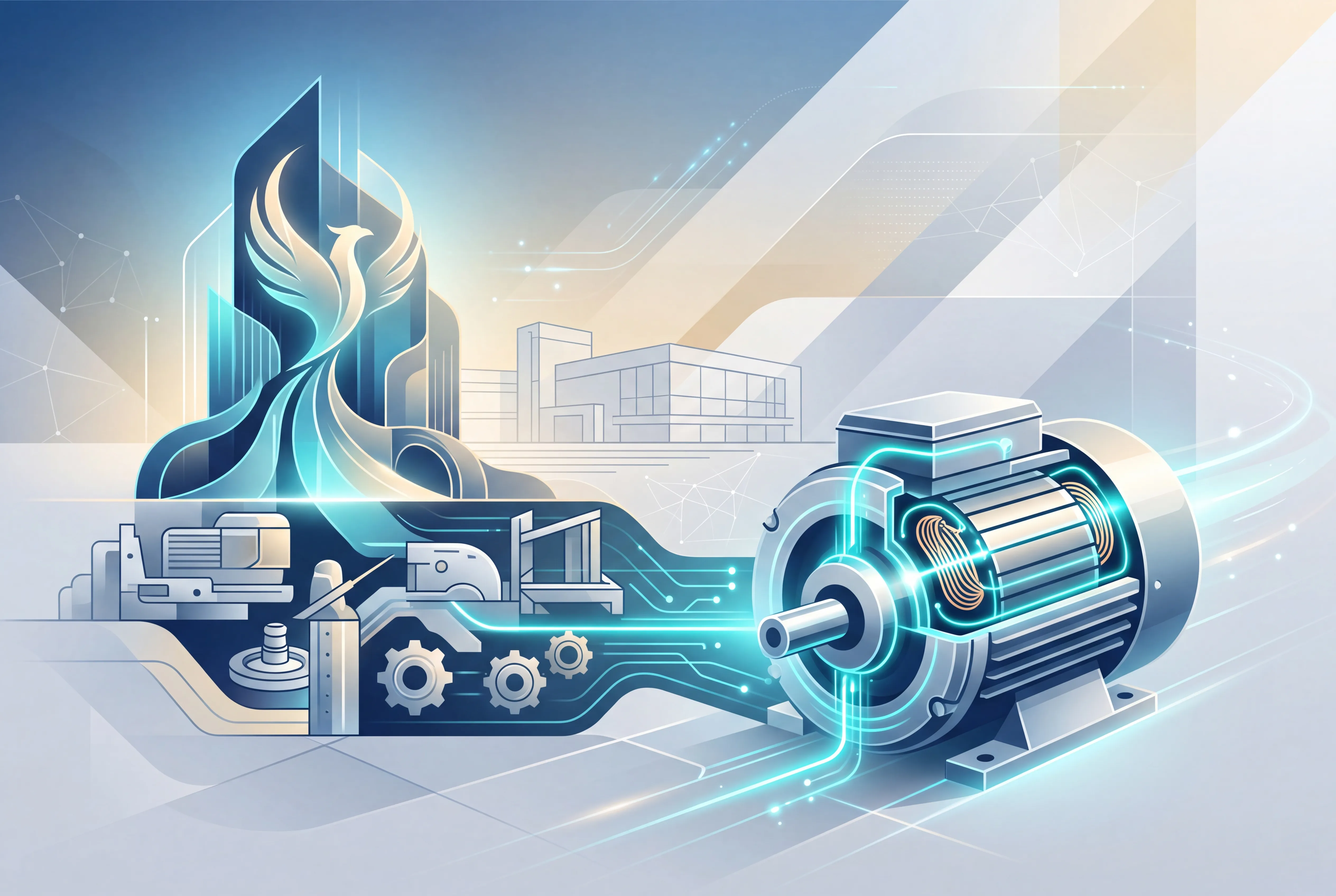
AAVIVA Machineries: Analyzing the Renewable Energy Manufacturing Startup Landscape
Explore the business model and market potential of AAVIVA Machineries in the renewable energy sector. Insights on manufacturing risks and opportunities for founders.
Introduction: Who is AAVIVA MACHINERIES PRIVATE LIMITED and What Problem Do They Solve?
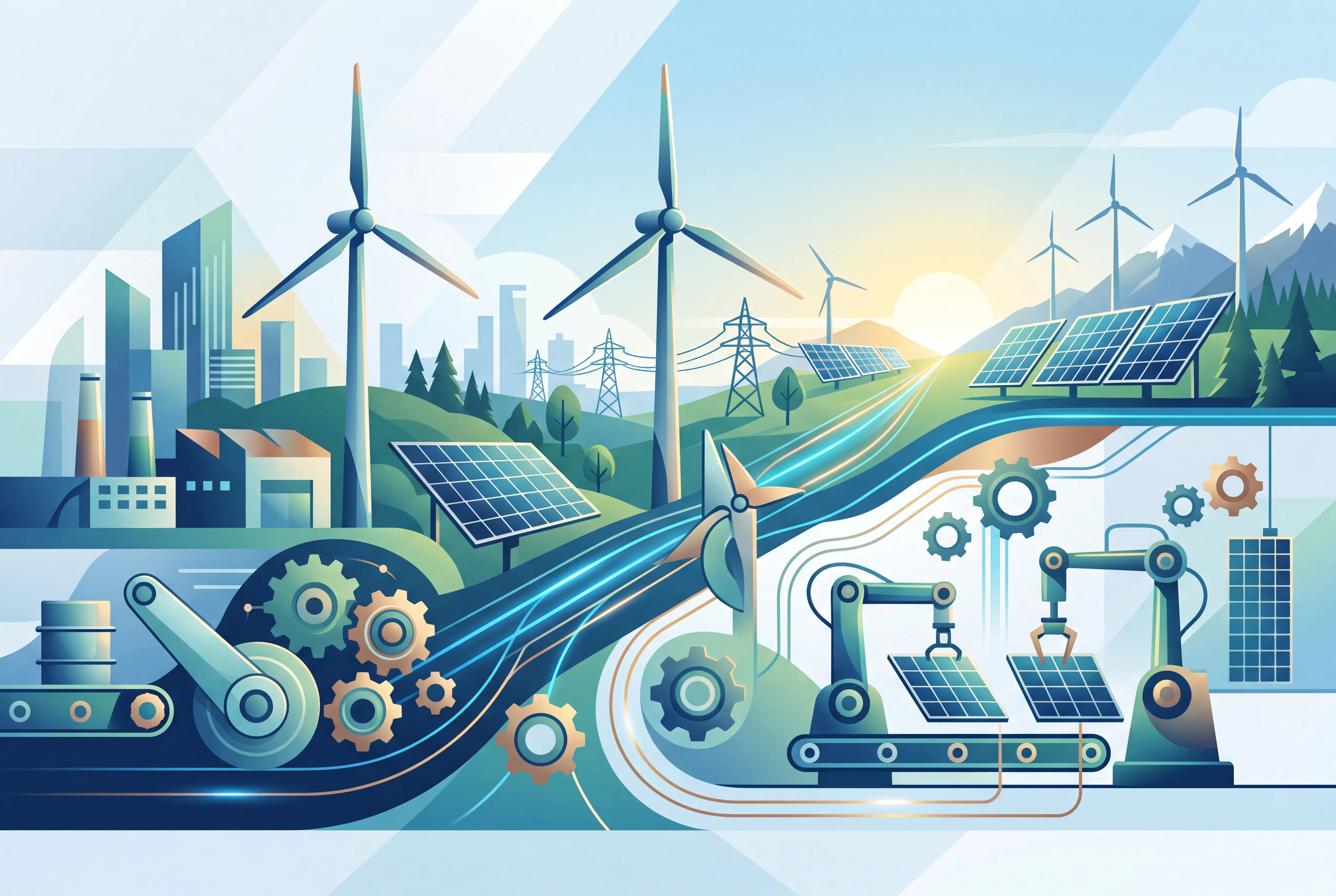
AAVIVA MACHINERIES PRIVATE LIMITED is a Mumbai-based startup focused on the manufacturing of machinery and equipment within the renewable energy sector. By entering this space, the company aims to bridge the gap between industrial production capabilities and the growing global demand for sustainable energy technology. Their primary function is to develop hardware that powers the transition to greener energy systems.
In the current industrial climate, startups in the manufacturing sector face a unique "hardware challenge." Unlike software startups that can pivot with a few lines of code, AAVIVA MACHINERIES PRIVATE LIMITED must manage physical supply chains, capital-intensive R&D, and rigorous quality control standards. This startup represents the backbone of the green economy—creating the tangible machinery that turns wind, solar, and bio-energy into usable power.
The problem they solve is twofold: first, they address the lack of specialized, high-efficiency equipment required by modern energy projects. Second, they serve as a critical link in the domestic manufacturing chain, helping reduce reliance on imported components for renewable infrastructure. By focusing on machinery for renewables, the company positions itself to benefit from the massive global shift toward decarbonization and industrial self-reliance.
Market Analysis: Industry Trends and Target Audience
The target audience for AAVIVA MACHINERIES PRIVATE LIMITED includes project developers, utility companies, and infrastructure contractors engaged in large-scale renewable energy installations. These entities are constantly seeking reliable, high-performance machinery that meets strict regulatory standards while maintaining cost-efficiency over a 20-to-30-year lifecycle.
Several key trends currently define the renewable energy manufacturing space:
-
Localization of Supply Chains: Governments globally, particularly in India, are incentivizing the "Make in India" movement. There is a strong preference for domestic manufacturing of critical components to protect energy projects from international logistics disruptions and fluctuating import tariffs.
-
Efficiency Gains in Manufacturing: As renewable energy becomes more competitive with fossil fuels, the pressure to lower the levelized cost of energy (LCOE) is rising. This requires machinery that is not just reliable but also optimized for high output, pushing manufacturers to integrate advanced materials and precision engineering into their production lines.
-
Integration of Smart Technologies: Modern renewable energy equipment is increasingly becoming "smart." Manufacturers are now embedding IoT sensors and predictive maintenance capabilities into their machinery, allowing operators to monitor performance in real-time. This trend requires firms like AAVIVA to shift from being purely mechanical to becoming technology-forward providers.
Competitive Landscape: How AAVIVA MACHINERIES PRIVATE LIMITED Compares to Existing Alternatives
The landscape of renewable energy manufacturing is occupied by established global conglomerates as well as niche local manufacturers. Competitors include large corporations with decades of R&D history and local players that focus on specific components like blades, turbines, or assembly hardware.
Key Advantages of AAVIVA MACHINERIES PRIVATE LIMITED
One of the most significant advantages for a startup like AAVIVA is its agility. While massive manufacturers struggle with rigid production protocols and high overheads, AAVIVA can iterate on product designs more quickly to meet the specific requirements of new, innovative energy projects. Being based in Mumbai provides proximity to industrial hubs and access to a skilled engineering talent pool, which is essential for scaling complex manufacturing operations.
Limitations and Market Challenges
Despite these advantages, the company faces high entry barriers. Manufacturing startups require substantial capital expenditure (CAPEX) for factory space, specialized tooling, and raw materials. Furthermore, the industry is highly trust-based; project developers are often hesitant to switch to a new supplier unless the hardware has been rigorously tested and certified. Proving durability and meeting safety standards is a time-intensive process that can exhaust early-stage capital.
AI Startup Validation Score & Assessment
- Problem Significance: 85/100 - The transition to renewable energy is the most significant industrial shift of the century. There is a persistent need for durable, high-quality hardware.
- Market Demand: 80/100 - Demand is robust and supported by government policy and climate goals, though competition for specific components is high.
- Innovation Level: 65/100 - Manufacturing is inherently iterative. True innovation in this sector usually comes from new materials or production techniques rather than radical new designs.
- Business Model Potential: 70/100 - B2B hardware sales provide predictable, albeit long, sales cycles. Success depends heavily on establishing long-term contracts.
- Scalability Opportunity: 60/100 - Scaling manufacturing is physically constrained by factory output and logistics, unlike software which scales exponentially.
- Competitive Advantage: 55/100 - It is difficult to compete with global incumbents on price. The startup must win on quality, customization, or regional logistics advantages.
- Long-Term Sustainability: 75/100 - The renewable energy trend is secular, providing a strong long-term foundation for any viable supplier in this space.
Overall Validation Score: 70/100
Strategic Lessons for Aspiring Entrepreneurs
- Focus on Niche Reliability: Startups should not attempt to manufacture everything. By becoming the best provider of a specific, high-demand component, a company can secure a stronger market position than a generalist.
- Prioritize Certification: In hardware, trust is built through certifications. Early investment in ISO standards or sector-specific safety benchmarks is not just a regulatory chore; it is your primary sales asset.
- Build Partnerships over Clients: In the industrial sector, long-term success stems from forming strategic partnerships with larger project developers who can provide a stable pipeline of orders for years.
Opportunities for Concept Improvement & Expansion
- Incorporate Lifecycle Services: AAVIVA could expand its model to include not just the sale of machinery, but also the servicing and maintenance of that equipment. This adds a recurring revenue stream to a historically one-off transactional business.
- Sustainable Manufacturing Processes: Implementing "green" production methods (using solar power in the factory, reducing waste in material scrap) can be a key marketing differentiator when selling to renewable energy firms that prioritize sustainability.
- Modular Design: Focusing on modular equipment allows for easier transport and assembly in remote renewable energy sites, providing a significant logistics advantage over bulky, one-piece alternatives.
Opportunities and Risks of Starting a Similar Business
Opportunities
New entrants can capitalize on the growing domestic push for self-reliance. As nations prioritize local energy independence, smaller manufacturers that can guarantee consistent supply chains are increasingly favored over global importers. Additionally, the rise of specialized energy niches—like offshore wind or small-scale hydro—offers entry points that large companies may overlook.
Risks
Entry barriers include high CAPEX requirements and the "valley of death" between prototype development and full-scale commercialization. A common risk is the reliance on raw material costs, which can fluctuate wildly due to global trade tensions, potentially wiping out thin margins in the early stages.
Frequently Asked Questions
FAQ 1: What is the main problem that AAVIVA MACHINERIES PRIVATE LIMITED addresses?
AAVIVA addresses the critical need for locally manufactured, high-quality hardware within the renewable energy sector, helping energy projects reduce reliance on imported components and improve overall system efficiency.
FAQ 2: Who are the primary target customers for this type of business?
The primary customers are project developers, infrastructure contractors, and utility companies responsible for building and maintaining wind, solar, and other renewable power projects.
FAQ 3: What is the typical revenue model for a startup like AAVIVA MACHINERIES PRIVATE LIMITED?
Revenue is typically generated through high-value B2B hardware sales, long-term supply contracts, and increasingly, through post-sales maintenance, repair, and parts replacement services.
FAQ 4: How can someone validate a similar startup idea?
Validating a hardware-based startup requires deep market research, competitive bench-marking, and assessing the technical feasibility of your design. Using a platform like ideation.biz can help you perform an initial SWOT analysis, evaluate your competitor landscape, and identify potential market gaps before investing heavily in physical production.
FAQ 5: What factors should be analyzed before launching a new venture?
Entrepreneurs must evaluate market size, regulatory environment, supply chain costs, and the technical readiness level of their product. To streamline this, founders often use tools like ideation.biz to model their business strategy and identify the hidden risks that could jeopardize a capital-intensive manufacturing venture.
FAQ 6: How can founders identify hidden risks in their business concept?
Identifying risks involves stress-testing your revenue assumptions and supply chain dependencies. Professional analysis tools, such as those offered by ideation.biz, can simulate these scenarios and provide a data-driven overview of potential risks, from material shortages to market saturation, allowing you to build a more robust plan.
Conclusion
Manufacturing in the renewable energy space is a challenging but essential endeavor. For startups like AAVIVA MACHINERIES PRIVATE LIMITED, the key to long-term success lies in building deep trust through technical quality and operational excellence. By focusing on local needs and scalable, modular designs, these companies serve as the essential gears that turn policy into power. If you are developing a new industrial venture and want to ensure you are building something that the market actually needs, take the first step toward clarity. Visit ideation.biz to validate your concept, identify your biggest risks, and build a solid plan for launch before you spend your first dollar on manufacturing.
Validate Your Startup Idea Before You Invest Time & Money
Get instant market insights, competitive analysis, and strategic recommendations for your next venture.
Related Blogs
More insights on validation and entrepreneurship.