AASMA Aerospace Private Limited: Can Heavy-Duty UAVs Transform Logistics?
Explore the potential of AASMA Aerospace Private Limited, a heavy-duty UAV startup. Discover insights into defense logistics, market trends, and startup validation.
Introduction: Who is AASMA Aerospace Private Limited and What Problem Do They Solve?
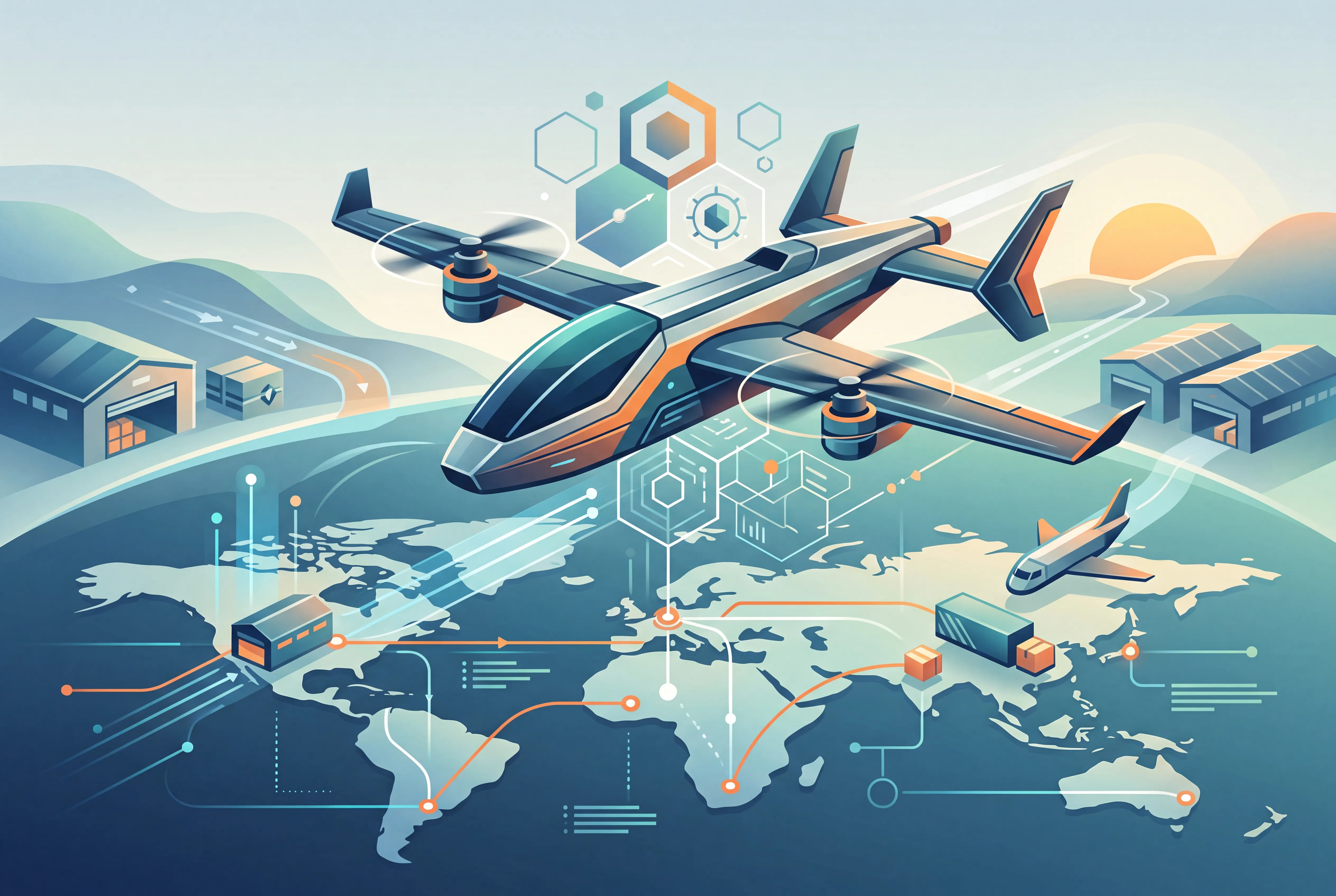
AASMA Aerospace Private Limited is a Kanpur-based startup focused on manufacturing unconventional, heavy-duty Unmanned Aerial Vehicles (UAVs) designed for complex logistics, including human and cargo transport. By leveraging hybrid power systems and advanced engineering, the company aims to serve high-stakes sectors like the Indian Army, Navy, and Disaster Relief forces, providing reliability in environments where traditional transport is impossible.
The core problem AASMA Aerospace seeks to solve is the "last-mile" and "hard-mile" connectivity challenge in inaccessible terrain. Whether it is mountainous border regions or disaster-stricken zones, conventional logistics often fail or become dangerous. By creating long-endurance, high-payload UAVs, the company hopes to provide a bridge between emergency demand and physical reach. This is a critical mission as global defense and humanitarian sectors pivot toward automated, unmanned solutions to minimize human risk and optimize supply chain velocity.
Market Analysis: Industry Trends and Target Audience
The target audience for AASMA Aerospace is predominantly institutional and governmental. Their primary focus remains the Indian defense ecosystem—specifically the Army and Navy—alongside state and national disaster relief agencies. Secondary markets include commercial logistics players operating in rough terrains.
Key industry trends supporting this business include the increasing defense budget for drone technology, the global shift toward hybrid-electric propulsion for longer endurance, and the growing mandate to reduce reliance on human pilots in hazardous zones. The logistics industry is also beginning to embrace heavy-lift drones as a viable alternative to ground transport in congested or unreachable areas. As climate change increases the frequency of natural disasters, the demand for specialized, heavy-lifting relief drones is projected to grow significantly.
Competitive Landscape: How AASMA Aerospace Private Limited Compares to Existing Alternatives
The drone industry is crowded, but the heavy-lift, long-endurance niche is still emerging. AASMA Aerospace competes with both established aerospace defense contractors and emerging drone startups. While large defense firms bring institutional experience, they often lack the agility of startups. AASMA's competitive edge lies in its focus on "unconventional" and hybrid designs tailored specifically for the Indian climate and landscape.
Key Advantages of AASMA Aerospace Private Limited
- Specialized Focus: Designing specifically for Indian terrain (Himalayan regions, coastal areas) provides a localized advantage over global competitors.
- Hybrid Propulsion: The integration of hybrid power systems directly addresses the endurance limitations of standard electric drones, allowing for longer flight hours.
- Mission-Centric Design: By targeting disaster relief and defense, the company aligns its development roadmap with high-budget, stable government contracts.
Limitations and Market Challenges
- Regulatory Hurdles: Operating heavy-duty UAVs in restricted airspace requires strict adherence to DGCA (Directorate General of Civil Aviation) and defense protocols, which can be time-consuming.
- Technical Complexity: Developing reliable, human-grade, or heavy-cargo-capable UAVs involves massive R&D, extreme safety testing, and certification cycles that can drain capital.
- Scaling Manufacturing: Transitioning from a successful prototype to reliable mass production requires sophisticated supply chains and high-quality aerospace manufacturing standards.
AI Startup Validation Score & Assessment
- Problem Significance: 95/100 - Solving logistical issues in disaster and defense zones is a high-priority, high-impact problem.
- Market Demand: 85/100 - Strong, consistent demand from defense and government entities looking to modernize supply chains.
- Innovation Level: 80/100 - Hybrid propulsion and heavy-duty lift capabilities are at the forefront of modern aerospace engineering.
- Business Model Potential: 75/100 - Relying on B2G (business-to-government) contracts provides stability but involves longer sales cycles.
- Scalability Opportunity: 70/100 - Hardware-heavy startups have slower scaling paths compared to pure software due to manufacturing lead times.
- Competitive Advantage: 75/100 - Deep domain expertise in local terrain and specific defense needs creates a moat.
- Long-Term Sustainability: 80/100 - If successful in securing defense contracts, the business model can be highly sustainable for decades.
Overall Validation Score: 80/100
Strategic Lessons for Aspiring Entrepreneurs
- Target High-Barrier Markets: AASMA Aerospace highlights the value of focusing on "Niche-Defense." When a problem is difficult, the barrier to entry is higher, but the competitive field is thinner.
- Design for Constraints: The most successful hardware products solve specific, local pain points. By designing for challenging terrain, they build a product that is inherently more resilient.
Opportunities for Concept Improvement & Expansion
- Dual-Use Development: Expand the technology for commercial mining or agriculture in remote areas to ensure revenue diversity.
- Modular Payloads: Developing a system where the UAV can be easily swapped between cargo and human-transport pods could increase utilization rates for disaster agencies.
Opportunities and Risks of Starting a Similar Business
Opportunities
Founders entering this space can capitalize on the "Make in India" push for indigenous defense equipment, which provides financial and political tailwinds for local manufacturers.
Risks
Regulatory shifts, massive capital requirements for hardware iterations, and the risk of building technology that exceeds immediate market readiness are significant barriers.
Frequently Asked Questions
FAQ 1: What is the main problem that AASMA Aerospace Private Limited addresses?
They address the logistical difficulty of transporting cargo and people in disaster-prone or geographically challenging locations, specifically for defense and humanitarian relief.
FAQ 2: Who are the primary target customers for this type of business?
Primary customers are the Indian Army, Navy, National Disaster Response Force, and specialized commercial logistics companies operating in extreme environments.
FAQ 3: What is the typical revenue model for a startup like AASMA Aerospace Private Limited?
It is primarily a B2G (Business-to-Government) model, relying on government procurement contracts, defense grants, and long-term service agreements for maintenance and operations.
FAQ 4: How can someone validate a similar startup idea?
Validating a capital-intensive idea requires moving from assumptions to data. You must analyze the target market's purchasing power, existing regulatory bottlenecks, and competitor gaps. Utilizing tools like ideation.biz can provide a structured SWOT and market demand signal, helping you determine if the investment in hardware development is justified before committing your resources.
FAQ 5: What factors should be analyzed before launching a new venture?
Look at market size, growth trends, technical feasibility, and regulatory complexity. Use a platform like ideation.biz to simulate how your startup idea compares against established competitors and identify the critical risks that could derail your business model early on.
FAQ 6: How can founders identify hidden risks in their business concept?
Founders should conduct a comprehensive risk audit covering legal, technical, and market risks. By feeding your idea into a validation framework like ideation.biz, you can uncover potential pitfalls—such as customer acquisition challenges or scaling hurdles—that you might have missed during the initial planning phase.
Conclusion
AASMA Aerospace Private Limited represents a bold step toward modernizing logistics in the most difficult terrains on earth. By focusing on heavy-duty performance and hybrid power, they align themselves with the most critical needs of defense and disaster management. For any entrepreneur, the takeaway is clear: success in hardware is found in identifying problems that no one else wants to touch because of the difficulty level.
Do you have a hardware or software idea that could change an industry? Before you build, validate. Stop guessing and get clear, data-driven insights into your concept. Use ideation.biz today to test your startup idea and find out if you are ready to launch.
Validate Your Startup Idea Before You Invest Time & Money
Get instant market insights, competitive analysis, and strategic recommendations for your next venture.
Related Blogs
More insights on validation and entrepreneurship.