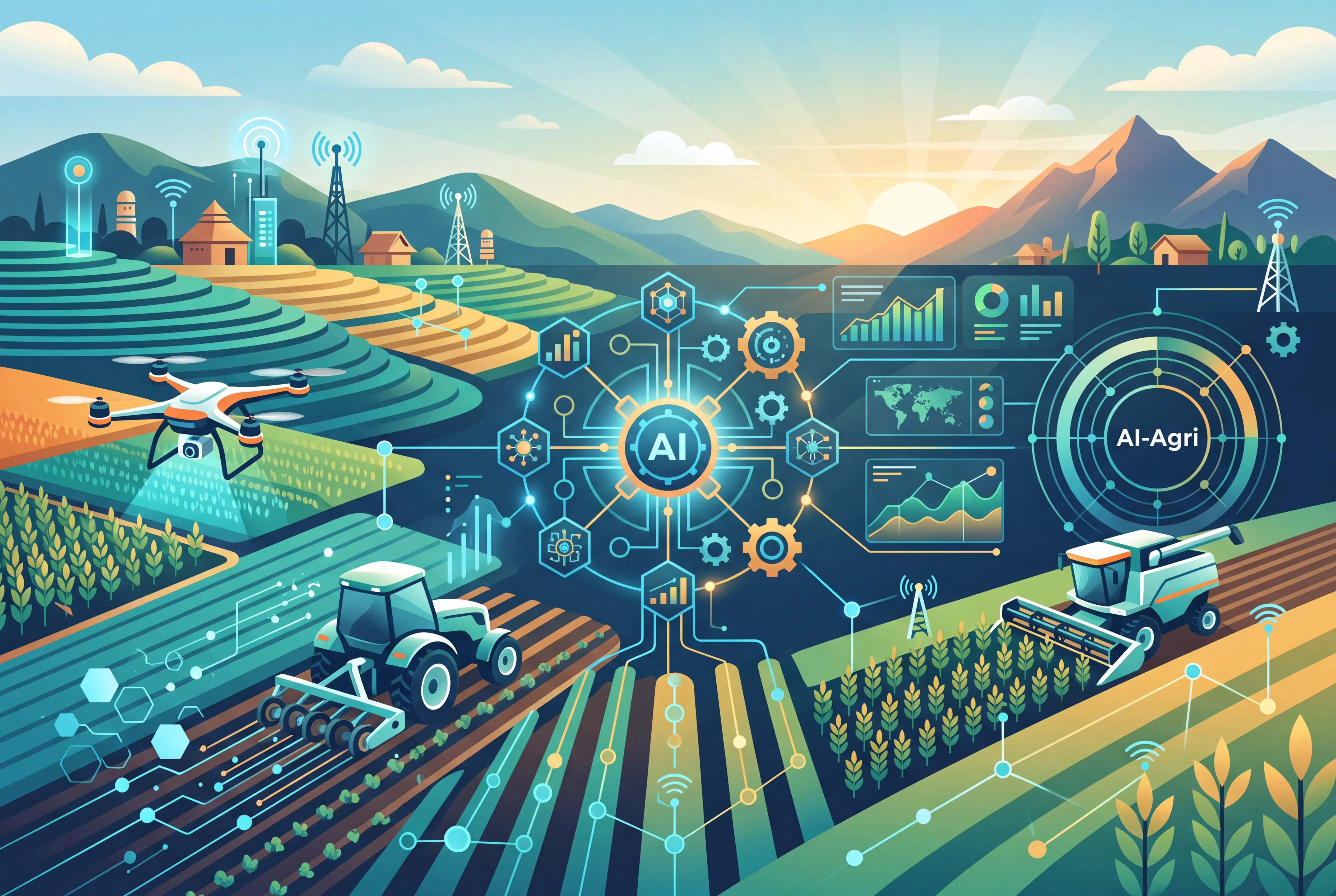
AACGF Solutions Private Limited: Turning Agricultural Waste Into Clean Energy
Explore how AACGF Solutions is addressing agricultural waste through IoT-enabled pyrolysis technology and learn key lessons for your own startup journey.
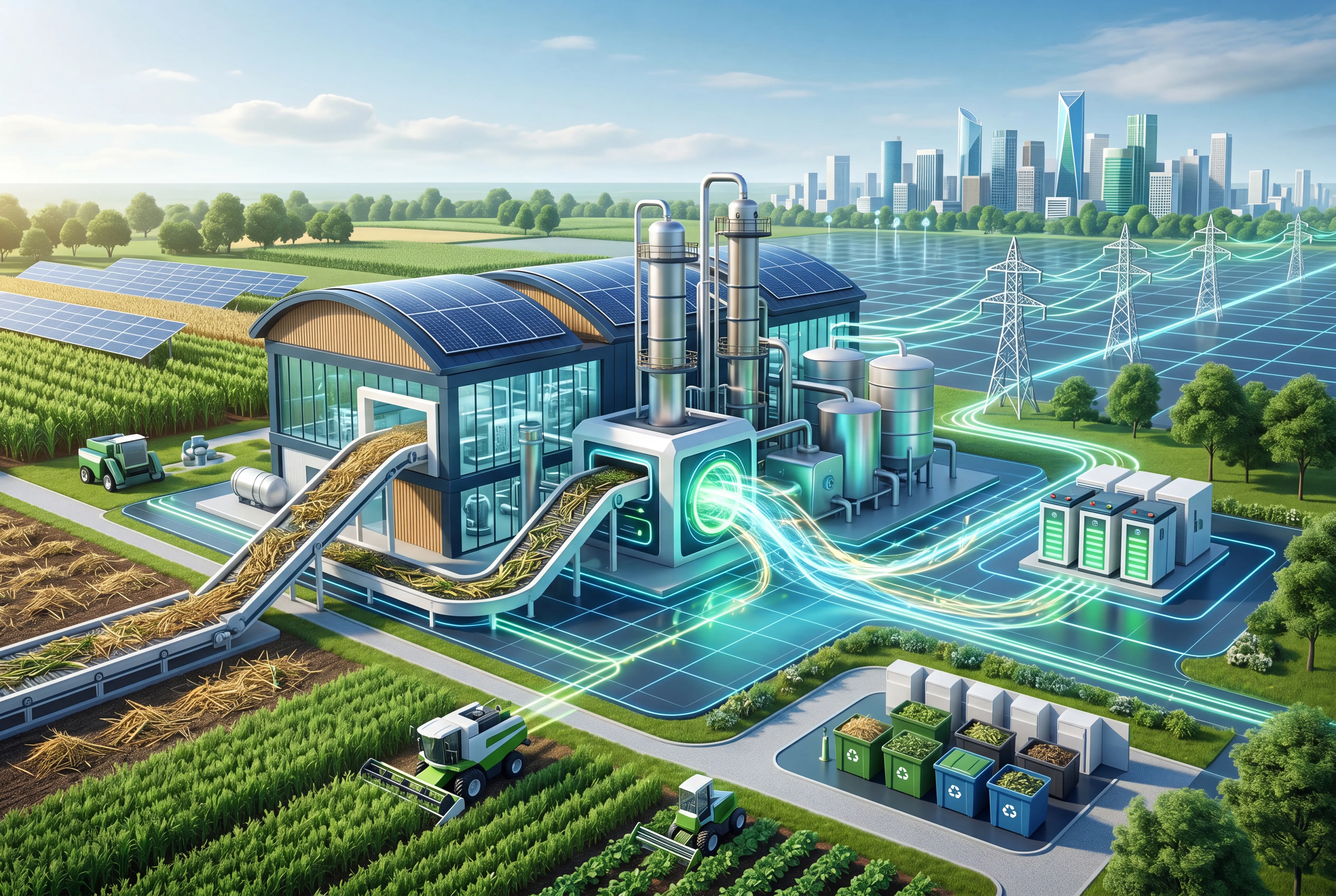
Introduction: Who is AACGF Solutions Private Limited and What Problem Do They Solve?
AACGF Solutions Private Limited, operating under the brand CGreen, is a CleanTech startup based in Ghaziabad that focuses on converting agricultural and forestry waste into value-added products like biochar and torrefied biomass. By deploying an IoT-enabled Twin Carboniser, the company addresses the critical problem of crop residue burning, which leads to severe air pollution in Northern India and elsewhere. Their solution serves farmers and rural industries by decentralizing waste management into a profitable, emission-minimized process.
The challenge of managing biomass in rural areas is immense. Often, farmers lack the infrastructure to transport bulky waste, leading them to burn it in fields. This practice releases significant greenhouse gases and particulate matter into the atmosphere. AACGF Solutions tackles this by bringing the processing technology directly to the source. Their batch-pyrolysis reactor is not just a hardware solution; it is a bridge between waste management and the circular economy, turning a liability into a tradeable commodity.
Market Analysis: Industry Trends and Target Audience
The target audience for AACGF Solutions includes small-to-medium-scale farmers, agricultural cooperatives, and forestry management entities located in electricity-deficient or rural zones. These stakeholders face a dual struggle: they need efficient disposal methods to comply with environmental regulations, and they require affordable energy sources. The core customer pain point is the logistical nightmare of waste transport combined with the regulatory pressure to stop stubble burning.
Three key industry trends are driving the growth of this business segment:
- Global push toward net-zero: There is an increasing demand for bio-based fuels and charcoal as alternatives to fossil fuels.
- Decentralized hardware demand: As energy costs fluctuate, the ability to generate heat or electricity locally using biomass has become a priority for rural industries.
- Carbon sequestration awareness: Using biochar as a soil amendment is gaining traction, providing a secondary revenue stream for biomass processors.
Competitive Landscape: How AACGF Solutions Private Limited Compares to Existing Alternatives
The market for biomass processing involves several players, ranging from large-scale power plants to small-scale composting or briquetting operations. AACGF Solutions occupies a niche by focusing on portable, IoT-monitored pyrolysis technology that is specifically optimized for rural deployment. Unlike large, centralized biomass plants, which require high CAPEX and reliable logistics, CGreen’s decentralized model prioritizes operational flexibility.
Key Advantages of AACGF Solutions Private Limited
- Portability: The Twin Carboniser is designed for deployment in remote locations where fixed infrastructure is absent.
- IoT Integration: Real-time monitoring allows for better emission control and process optimization, ensuring consistent product quality.
- Circular Economy Focus: By turning waste into charcoal, the startup creates a marketable end-product rather than just providing a waste disposal service.
- Scalability: The batch-based design allows farmers to scale their operations as their processing volume increases.
Limitations and Market Challenges
- Adoption Barriers: Farmers may be resistant to new technologies if the upfront cost or operational learning curve is steep.
- Logistics of Collection: Even with decentralized equipment, collecting, sorting, and drying the biomass remains a labor-intensive hurdle.
- Variable Feedstock: Agricultural waste varies significantly in moisture and composition, which can affect the efficiency of the pyrolysis reactor.
AI Startup Validation Score & Assessment
- Problem Significance: 95/100 - Crop residue burning is a massive environmental crisis with direct health and regulatory implications.
- Market Demand: 80/100 - Strong demand exists for low-cost waste management solutions that simultaneously generate income for farmers.
- Innovation Level: 75/100 - While pyrolysis is established, the application of IoT for small-scale, decentralized monitoring is a high-value differentiator.
- Business Model Potential: 70/100 - Relying on product sales and potentially biomass-as-a-service models creates a clear revenue path.
- Scalability Opportunity: 65/100 - Decentralized hardware faces challenges in deployment speed compared to pure SaaS models.
- Competitive Advantage: 70/100 - Strong localization and focus on specific rural pain points provide a defensible moat.
- Long-Term Sustainability: 85/100 - Waste-to-energy is essential for future climate goals, ensuring long-term institutional support.
Overall Validation Score: 77/100
Strategic Lessons for Aspiring Entrepreneurs
- Solve for the 'Last Mile': AACGF Solutions demonstrates the importance of taking technology to the customer’s doorstep rather than expecting customers to change their logistics to suit the tech.
- Build Data-Driven Hardware: Integrating sensors and remote monitoring into physical machinery significantly lowers operational risks and increases user trust through performance visibility.
- Turn Liabilities into Assets: The most successful environmental startups don't just 'clean up'—they convert waste into a value-added, monetizable product.
Opportunities for Concept Improvement & Expansion
- SaaS Integration: Expand the software side of their IoT offering to provide farmers with insights into carbon credit generation potential.
- Partnership Ecosystem: Collaborate with government agriculture departments to subsidize the equipment, lowering the barrier to entry for smaller farmers.
- Product Diversification: Explore deeper applications for biochar, such as industrial filtration or high-end horticultural applications, to increase margins.
Opportunities and Risks of Starting a Similar Business
Opportunities
New founders can capitalize on the growing demand for green energy by focusing on niche waste streams. There is significant untapped potential in regional specialized waste that requires localized, small-scale processing rather than massive plants.
Risks
Entry barriers include high initial development costs for hardware and the difficulty of penetrating the agricultural market, which often relies on traditional networks and government policy shifts. Regulatory compliance for emissions must be strictly monitored to avoid shutdown risks.
Frequently Asked Questions
FAQ 1: What is the main problem that AACGF Solutions Private Limited addresses?
AACGF Solutions addresses the massive environmental and logistical challenge of agricultural crop residue disposal, which is commonly managed via burning, a major source of air pollution.
FAQ 2: Who are the primary target customers for this type of business?
Small-to-medium-scale farmers, rural agricultural cooperatives, and rural forestry units looking for efficient ways to manage waste while generating energy.
FAQ 3: What is the typical revenue model for a startup like AACGF Solutions Private Limited?
Revenue is typically generated through the direct sale of the pyrolysis equipment, service and maintenance contracts, and potential commissions on the sale of produced charcoal or torrefied biomass.
FAQ 4: How can someone validate a similar startup idea?
Validating a hardware-intensive idea requires understanding market demand for the end-product and the feasibility of your deployment model. Using tools like ideation.biz, you can perform a SWOT analysis, competitor research, and market demand testing before you build a single prototype, saving months of development time.
FAQ 5: What factors should be analyzed before launching a new venture?
Key factors include market size, growth trends, competitive barriers, and operational risks. Before investing time and capital, founders should analyze these through structured market research. You can get an instant validation report at ideation.biz to identify top risks and demand signals tailored to your specific business concept.
FAQ 6: How can founders identify hidden risks in their business concept?
Founders often suffer from 'founder bias,' missing critical risks in supply chains or market adoption. Using a structured validation tool like ideation.biz helps uncover these blind spots by providing objective, AI-driven insights into potential regulatory, competitive, and financial pitfalls.
Conclusion
AACGF Solutions Private Limited exemplifies how local, sustainable innovation can address global environmental crises. By making pyrolysis accessible through IoT-enabled decentralization, they provide a clear pathway for agricultural sustainability. If you have an idea in the green technology space, don't let it remain a guess. Use the ideation.biz validation platform to stress-test your concept, analyze the competitive landscape, and build a strategy that works before you go to market.
Validate Your Startup Idea Before You Invest Time & Money
Get instant market insights, competitive analysis, and strategic recommendations for your next venture.
Related Blogs
More insights on validation and entrepreneurship.