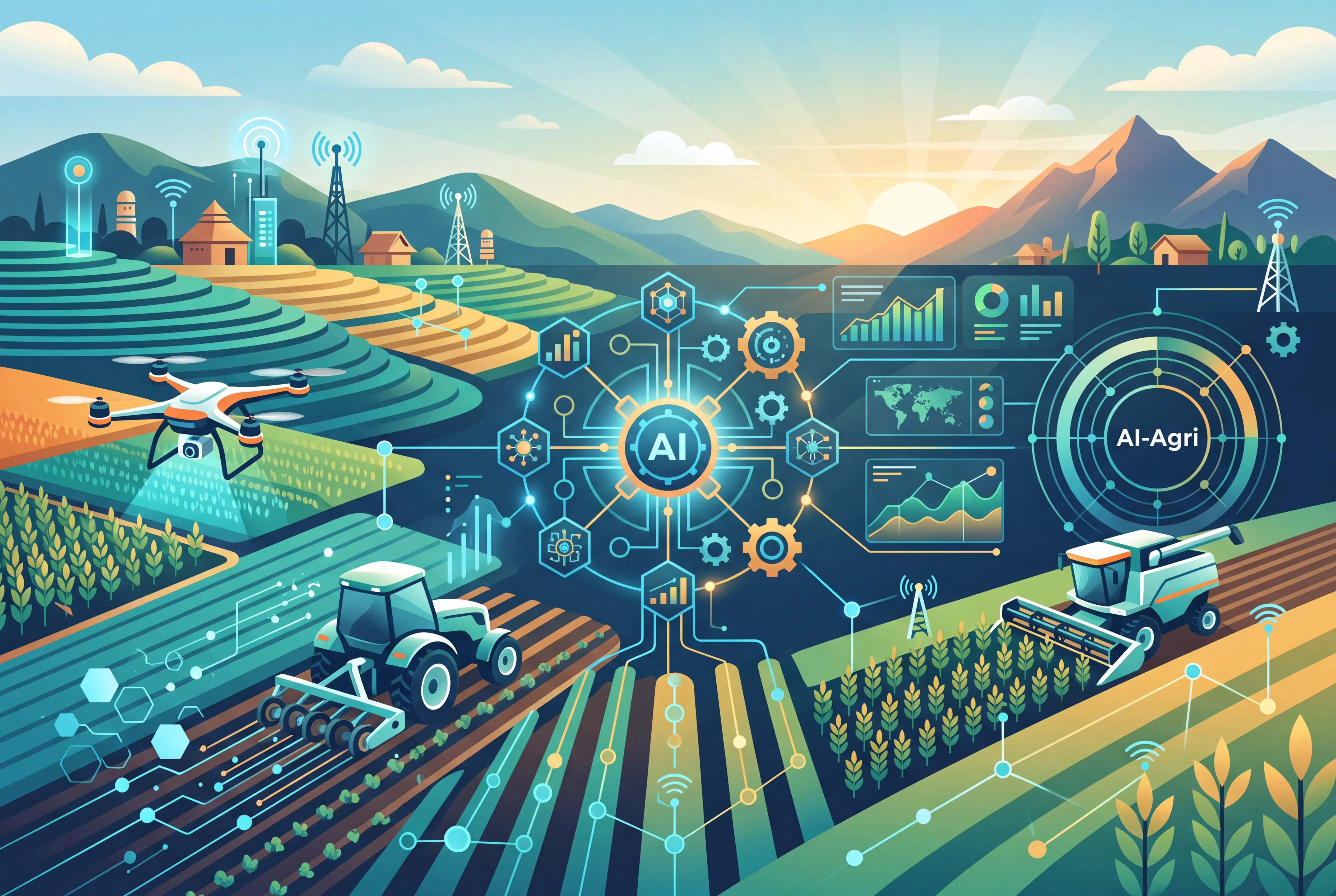
Unlocking Potential: Analyzing the AGRIVIBE FARMEASY Business Model
Explore the business model of AGRIVIBE FARMEASY, an agri-tech startup solving land utilization gaps, and learn strategic lessons for agricultural innovation.
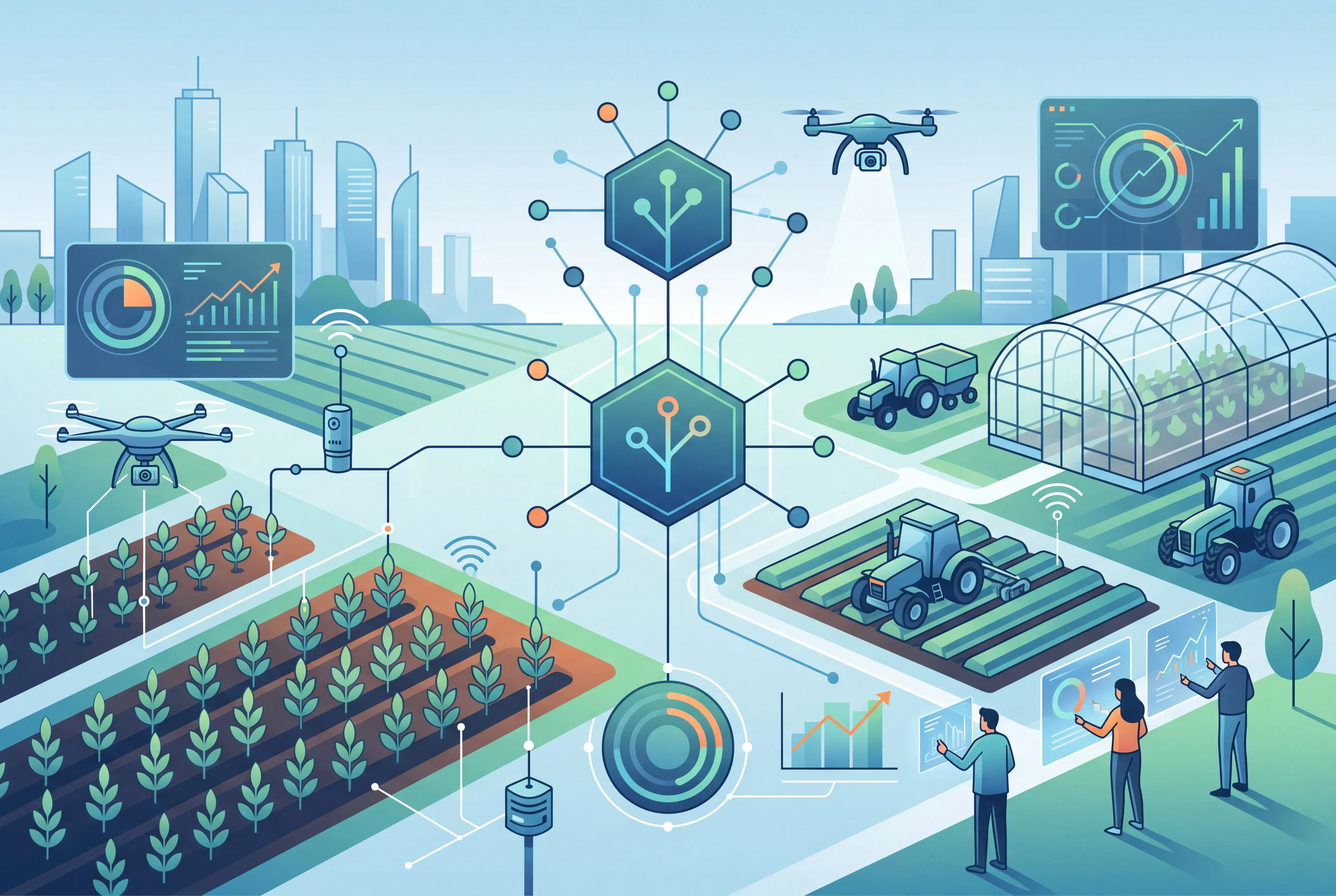
Introduction: Who is AGRIVIBE FARMEASY INDIA PRIVATE LIMITED and What Problem Do They Solve?
AGRIVIBE FARMEASY INDIA PRIVATE LIMITED, based in Solan, Himachal Pradesh, is an agri-tech initiative designed to bridge the gap between farmers seeking cultivation land and landowners with unused agricultural space. By acting as a central hub, the platform integrates agri-service providers to streamline the farming process. This model addresses the critical issue of land underutilization and the fragmentation of resources in rural Indian agriculture, aiming to increase overall productivity and sustainability through smart farming collaboration.
Agricultural land management remains a significant bottleneck in India. While many landowners lack the expertise, time, or equipment to manage their holdings effectively, landless farmers struggle to access viable plots for cultivation. By creating a tripartite ecosystem involving landowners, farmers, and service providers, AGRIVIBE FARMEASY creates a structured marketplace. This transition from traditional, manual matchmaking to a digital, service-enabled hub is essential for optimizing rural assets in an increasingly competitive food security landscape.
Market Analysis: Industry Trends and Target Audience
The target audience for AGRIVIBE FARMEASY consists of three distinct groups: small-to-medium landowners who hold idle land, tenant farmers looking for scalable cultivation opportunities, and specialized agri-service providers offering irrigation, harvesting, or crop management support. The primary pain point here is the lack of transparency in the land lease market and the absence of a unified platform that bundles land access with operational support.
Several industry trends support this business model. First, there is an increasing shift toward the 'Uberization' of agriculture, where farm assets and machinery are shared rather than owned to lower the barrier to entry. Second, the Indian government's push for agricultural digitalization and smart farming is creating a supportive regulatory climate. Finally, the rise of climate-conscious farming necessitates professional service providers to implement more efficient irrigation and soil-management practices, which the platform can aggregate. By addressing these trends, the startup positions itself at the intersection of social impact and agricultural economic efficiency.
Competitive Landscape: How AGRIVIBE FARMEASY Compares to Existing Alternatives
The landscape for agricultural land management consists of fragmented traditional brokers, informal village-level agreements, and emerging farm management software. Unlike local brokers, AGRIVIBE FARMEASY provides a standardized technological layer that brings transparency.
Key Advantages of AGRIVIBE FARMEASY
- Standardized Processes: Reduces the risk of disputes in land leasing by providing a structured framework for agreements.
- Aggregated Services: By bundling agri-service providers, the platform transforms idle land into a productive asset immediately upon lease.
- Regional Focus: Its location in Solan allows for a deep understanding of unique horticultural and crop challenges in the Himalayan agricultural belt.
- Scalability: The digital-first nature allows the platform to expand beyond Himachal Pradesh to other agricultural zones in India.
Limitations and Market Challenges
- Trust Barriers: Convincing rural landowners to trust a digital platform with their assets requires significant ground presence.
- Regional Variability: Soil and climatic conditions vary drastically in India, making a one-size-fits-all model difficult to implement at scale.
- Monetization Friction: Farmers and rural landowners may resist commission-based models if they do not perceive an immediate, high-value ROI.
AI Startup Validation Score & Assessment
- Problem Significance: 85/100 - Land utilization and farm fragmentation are critical issues affecting food security and farmer income in India.
- Market Demand: 75/100 - High demand for land optimization, though the user acquisition strategy in rural markets is historically difficult.
- Innovation Level: 70/100 - The concept combines existing gig-economy mechanics with traditional agriculture; implementation is the key innovation.
- Business Model Potential: 75/100 - Multi-sided platform models have high potential if network effects can be established.
- Scalability Opportunity: 80/100 - Once established in one region, the model is highly repeatable across different agricultural geographies.
- Competitive Advantage: 65/100 - Barriers to entry are moderate; local incumbents may prove difficult to displace without significant hyper-local community building.
- Long-Term Sustainability: 70/100 - Dependency on reliable service provider networks is a risk factor, but sustainability is high if successful.
Overall Validation Score: 74/100
Strategic Lessons for Aspiring Entrepreneurs
- Solve for the 'Trust Gap': Before focusing on features or technology, prioritize building local presence. In rural sectors, human trust is the currency that fuels digital platforms.
- Value-Add Matters: Success in agri-tech is not just about connecting parties; it is about providing the services (irrigation, data, financing) that make the connection functional and profitable.
- Start Niche, Scale Broad: By focusing on a specific region, a startup can iron out operational issues before attempting a national rollout.
Opportunities for Concept Improvement & Expansion
- Implement IoT Integration: Introducing low-cost soil sensors could help landowners and farmers share data-driven insights, increasing the attractiveness of the land.
- Financing Partnerships: The startup could partner with micro-finance institutions to provide inputs or lease-payment insurance for farmers.
- Educational Content: Building a knowledge repository within the app could help farmers adopt better cultivation methods, ensuring higher yields and better lease retention.
Opportunities and Risks of Starting a Similar Business
Opportunities
New founders can tap into the increasing demand for data-backed agriculture. The rise of rural connectivity means that more stakeholders are willing to engage through digital interfaces. There is also a major opportunity to integrate government subsidy tracking for farmers, adding massive value to the platform's core utility.
Risks
Regulatory hurdles in land ownership laws can create legal risks. Additionally, customer acquisition costs in agricultural markets are typically higher than expected due to low digital literacy and high reliance on word-of-mouth recommendations. High churn rates among transient farmers are another common barrier.
Frequently Asked Questions
FAQ 1: What is the main problem that AGRIVIBE FARMEASY addresses?
It addresses the inefficiency of agricultural land use by connecting landowners who have idle space with farmers who need land for cultivation, while also providing necessary agri-service support.
FAQ 2: Who are the primary target customers for this type of business?
Small-to-medium agricultural landowners, professional tenant farmers, and agri-service providers such as irrigation, equipment, or consultancy services.
FAQ 3: What is the typical revenue model for a startup like AGRIVIBE FARMEASY?
Platforms like this typically use a commission-based model on successful land leases, subscription fees for premium service providers, or transaction fees on agricultural input sales.
FAQ 4: How can someone validate a similar startup idea?
Validating requires analyzing market demand and risks early. You can use platforms like ideation.biz to perform a deep-dive SWOT analysis and market demand signal check before you commit your time and capital.
FAQ 5: What factors should be analyzed before launching a new venture?
Key factors include market size, competitive landscape, hidden risks, and monetization viability. Tools like the ideation.biz validation engine allow you to get a clear verdict on these metrics in minutes.
FAQ 6: How can founders identify hidden risks in their business concept?
Identifying risks involves rigorous competitor and market analysis. You can use ideation.biz to generate a list of top risks and threats that most founders miss during their initial planning phase.
Conclusion
AGRIVIBE FARMEASY demonstrates the immense potential of applying digital infrastructure to traditional agricultural challenges. By focusing on asset utilization and service-provider integration, the company is tackling core inefficiencies that have plagued rural farming for generations. As the market for agri-tech continues to mature, success will depend on the platform's ability to maintain trust while scaling its service ecosystem. Entrepreneurs interested in building similar solutions should prioritize localized market validation to ensure their model fits the specific needs of their target geography. If you are developing a startup idea and want to ensure it is robust, consider running your concept through the ideation.biz validator to receive an instant, data-driven report on your risks and opportunities.
Validate Your Startup Idea Before You Invest Time & Money
Get instant market insights, competitive analysis, and strategic recommendations for your next venture.
Related Blogs
More insights on validation and entrepreneurship.