Ambler Mobility: Building an Experiential Travel Ecosystem for Modern Explorers
Explore the experiential travel ecosystem of Ambler Mobility. Learn about its business model, industry trends, and strategic lessons for new travel founders.
Introduction: Who is Ambler Mobility Private Limited and What Problem Do They Solve?
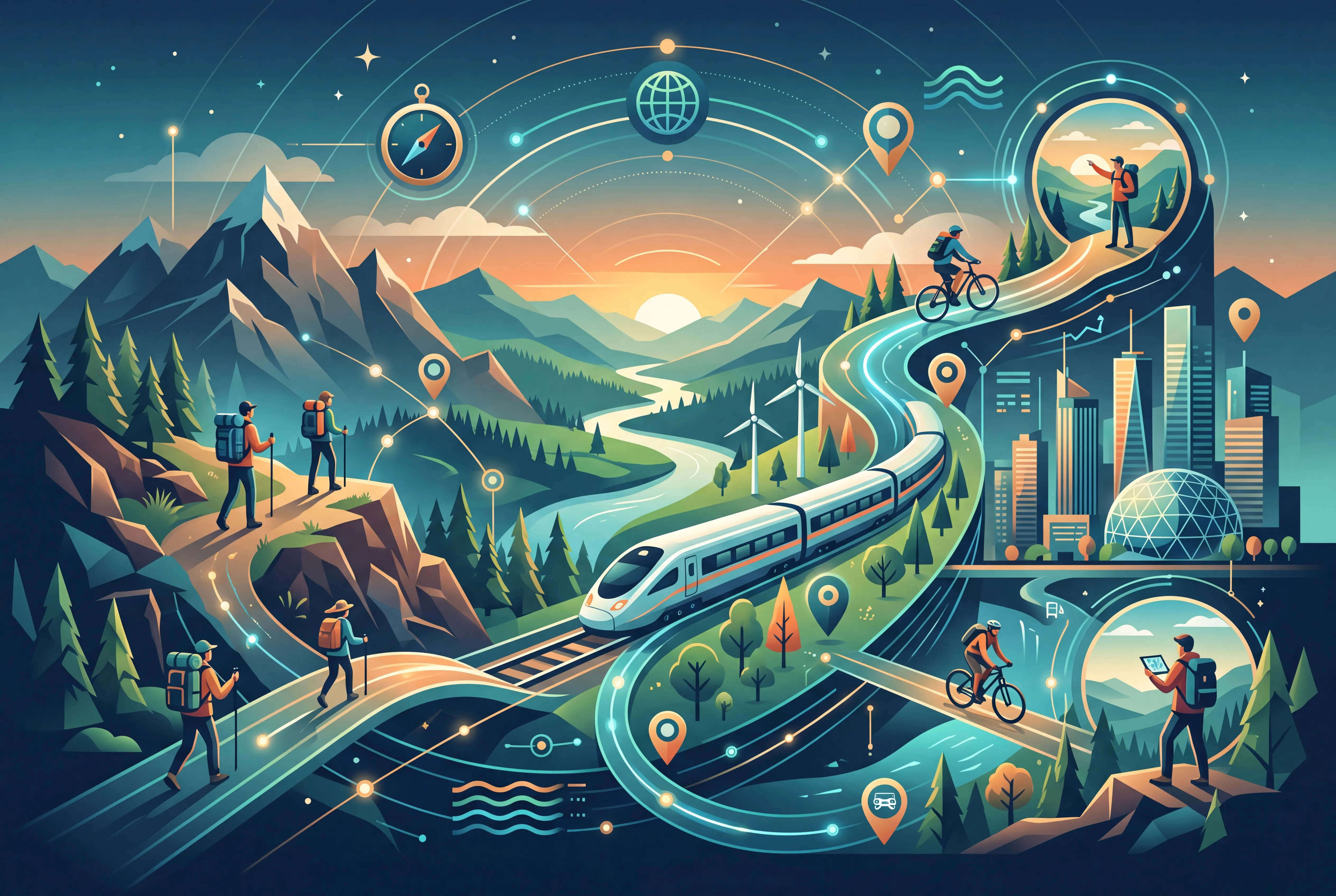
Ambler Mobility Private Limited is an experiential travel startup based in Chandigarh, India, focused on creating an all-in-one ecosystem for adventure seekers. The platform connects explorers with curated wild stays, campervans, local adventures, and mountain retreats, moving away from traditional mass-tourism packages toward authentic, immersive outdoor experiences. The startup addresses the modern traveler's desire for freedom and connection to nature, positioning travel as a lifestyle rather than a seasonal vacation.
In an era where travel is often defined by "check-list" tourism—visiting landmarks for the sake of photos—Ambler attempts to solve the disconnect between the adventurous spirit and the friction of planning authentic outdoor trips. By bundling logistics like vehicle rentals and wild-stay bookings into a singular, cohesive platform, they target the growing segment of Indian youth and professionals who find the current travel market overly commercialized and impersonal.
Market Analysis: Industry Trends and Target Audience
The target audience for Ambler Mobility includes urban professionals, digital nomads, and younger demographics (Gen Z and Millennials) who prioritize experiential value over luxury hospitality. These travelers are often characterized by a high need for flexibility, a desire for "off-the-beaten-path" activities, and a willingness to pay for curated, trustworthy outdoor infrastructure.
Three key industry trends support this concept:
- The Rise of Domestic Experiential Travel: Post-pandemic, there has been a significant surge in interest regarding domestic tourism, particularly in regions that offer solitude and rugged exploration, such as the Himalayas.
- Campervan and Van-Life Culture: The concept of "van life" is gaining traction in India. Travelers increasingly seek the mobility that campervans provide, allowing them to explore remote areas without being tied to traditional hotels.
- The Shift toward "Micro-Adventures": Modern travelers often have less time for long-term travel, leading to an increase in weekend mountain retreats or short-term nature-based expeditions, which Ambler is strategically positioned to capture.
Competitive Landscape: How Ambler Mobility Compares to Existing Alternatives
The travel market is saturated with platforms like MakeMyTrip or Airbnb, but these focus largely on standard ticketing or conventional real estate. Ambler competes by offering a niche ecosystem that blends hardware (campervans) with software (experience booking).
Key Advantages of Ambler Mobility
- Vertical Integration: By managing both the transportation (campervans) and the destination (wild stays), they minimize the fragmentation that usually causes headaches for travelers planning adventure trips.
- Community Focus: The focus on "stories shared by firelight" suggests a brand building a community rather than just a transaction platform, increasing customer loyalty.
- Curated Quality: By curating the experiences, Ambler acts as a quality filter, reducing the anxiety of booking remote, unverified locations.
Limitations and Market Challenges
- Operational Overhead: Maintaining a fleet of campervans and managing remote properties is capital-intensive compared to being an aggregator platform.
- Seasonal Variance: Mountain and outdoor adventure travel in India is highly subject to seasonal fluctuations and weather-related risks.
- Regulatory Hurdles: Dealing with vehicle registration, hospitality licenses, and environmental regulations in remote regions poses significant operational challenges.
AI Startup Validation Score & Assessment
- Problem Significance: 85/100 - The growing market for "authentic" travel is real, and the friction in planning adventure trips is a legitimate pain point.
- Market Demand: 75/100 - High demand for domestic adventure tourism in India; however, it remains a niche compared to traditional hotel bookings.
- Innovation Level: 70/100 - Building a full ecosystem is innovative, though various players exist in sub-segments like campervan rentals.
- Business Model Potential: 65/100 - The hybrid model of asset ownership and service aggregation is complex and capital-heavy.
- Scalability Opportunity: 60/100 - Scaling physical assets like vans and properties is significantly harder than scaling software-only travel apps.
- Competitive Advantage: 70/100 - Strong branding and curated trust could differentiate them from generic booking sites.
- Long-Term Sustainability: 75/100 - Niche travel brands with strong community ties often survive market volatility better than generalists.
Overall Validation Score: 71/100
Strategic Lessons for Aspiring Entrepreneurs
- Community Over Commodity: Ambler demonstrates that defining a brand through a specific "way of living" creates higher engagement than just competing on price or inventory count.
- Solving for Friction: The best way to enter a crowded industry like travel is to identify the specific planning frictions that others ignore—such as the difficulty of organizing a remote, multi-modal trip.
- Asset-Light vs. Asset-Heavy Decisions: Entrepreneurs must carefully weigh whether to own the experience (high control, high cost) or aggregate it (low control, high scalability). Ambler has chosen a path that emphasizes experience quality over raw scale.
Opportunities for Concept Improvement & Expansion
- Membership Models: Ambler could implement a subscription model for "Ambler Members" that provides discounted access to gear or priority booking, fostering repeat usage.
- B2B Partnerships: Partnering with outdoor gear brands (like Decathlon or local mountain equipment manufacturers) could create a secondary revenue stream and provide more value to their explorer community.
- Digital Nomad Hubs: Adding co-working facilities at their mountain retreats would enable long-stay travelers to remain connected, significantly increasing the average order value per customer.
Opportunities and Risks of Starting a Similar Business
Opportunities
New founders have the opportunity to capture the "luxury-adventure" segment, which is currently underserved in the Indian market. Combining tech-driven logistics with high-touch outdoor experiences allows for higher pricing power and brand prestige.
Risks
High entry barriers related to logistics and local permissions are major risks. Additionally, customer safety in rugged, remote environments introduces a layer of liability that is significantly higher than in traditional tourism.
Frequently Asked Questions
FAQ 1: What is the main problem that Ambler Mobility addresses?
Ambler addresses the fragmentation and impersonality of the travel planning process for adventure seekers. They solve this by creating an all-in-one ecosystem that simplifies finding and booking unique, wild, and authentic outdoor experiences.
FAQ 2: Who are the primary target customers for this type of business?
The primary targets are urban Indians, younger generations, and digital nomads who seek meaningful, unconventional travel experiences and value community-driven brands over traditional tourism models.
FAQ 3: What is the typical revenue model for a startup like Ambler Mobility?
The model likely involves a mix of commissions from bookings, direct rental fees for campervans, and potentially premium membership tiers that provide exclusive access to curated experiences.
FAQ 4: How can someone validate a similar startup idea?
Validating a niche travel idea requires analyzing market demand through search trends, competitor density, and customer interviews. Before building expensive infrastructure, you can use ideation.biz to perform a quick market demand check and identify potential risks in your specific niche.
FAQ 5: What factors should be analyzed before launching a new venture?
Key factors include market size, regulatory compliance, operational sustainability, and competitive landscape. Using a tool like ideation.biz allows founders to input their concept and receive a structured SWOT analysis, ensuring no critical blind spots exist before investment.
FAQ 6: How can founders identify hidden risks in their business concept?
Hidden risks often lie in unit economics, customer acquisition costs, or operational scalability. Performing a deep-dive validation using platforms like ideation.biz can surface these risks by simulating market scenarios and highlighting competitor weaknesses.
Conclusion
Ambler Mobility represents a thoughtful attempt to redefine the travel industry by aligning a product with the growing cultural shift toward authentic, outdoor-led living. While the logistical challenges of such a model are high, the potential for brand loyalty in the experiential travel sector is immense. For any entrepreneur looking to enter this space, the key is to ensure that your business model handles the heavy lifting of logistics so that the user only feels the thrill of the adventure. If you are refining a travel concept or any other business idea, use the ideation.biz validation tool to stress-test your strategy, uncover hidden market gaps, and move forward with confidence backed by data.
Validate Your Startup Idea Before You Invest Time & Money
Get instant market insights, competitive analysis, and strategic recommendations for your next venture.
Related Blogs
More insights on validation and entrepreneurship.