ADIMS Innovations: Revolutionizing Baby Care Through Smart Home Technology
Explore how ADIMS Innovations is addressing baby care challenges through smart technology, and learn strategic lessons for your own startup venture.
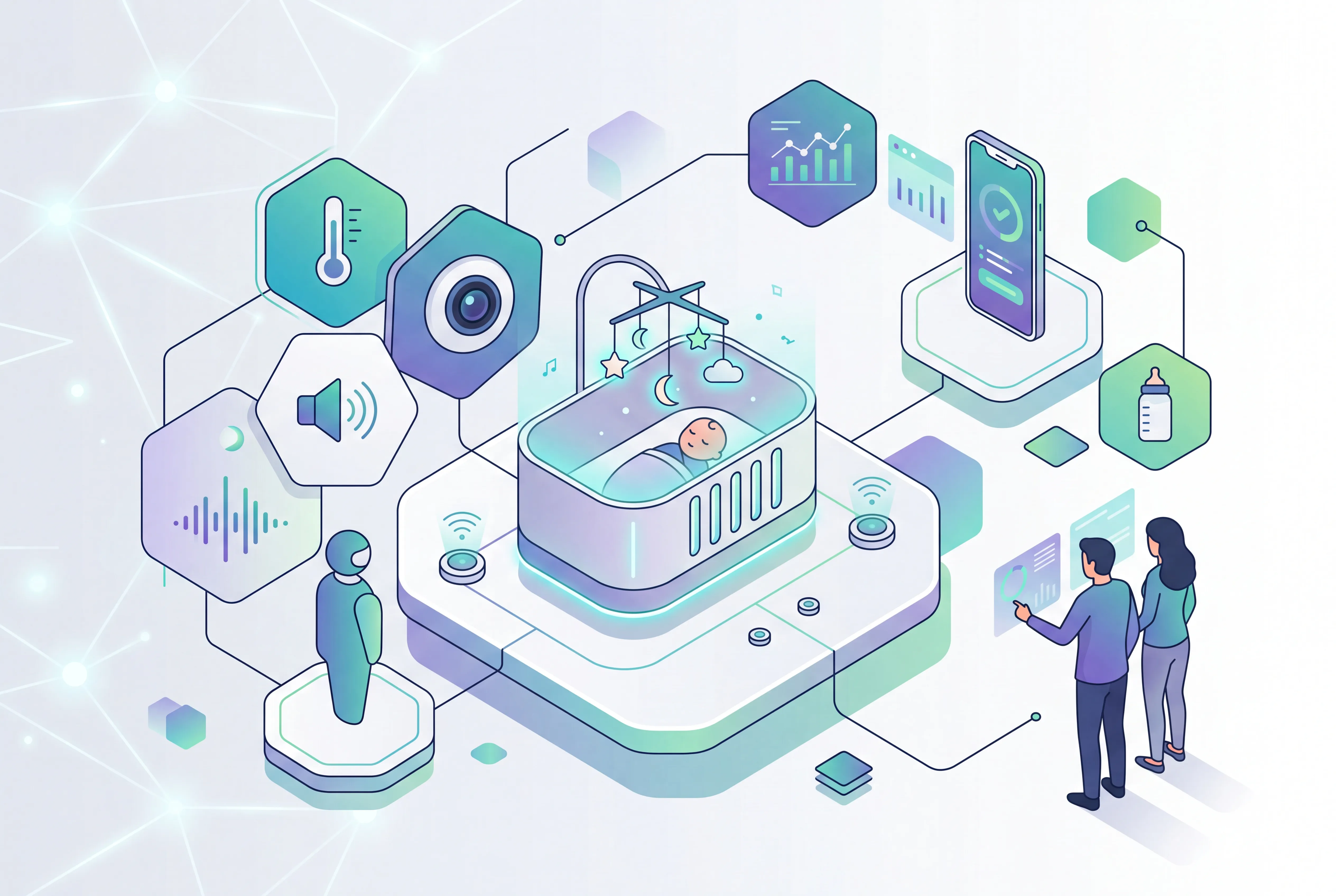
Introduction: Who is ADIMS INNOVATIONS PRIVATE LIMITED and What Problem Do They Solve?
ADIMS INNOVATIONS PRIVATE LIMITED is a startup based in Visakhapatnam that focuses on baby care technology. The company develops integrated solutions for childcare, specifically targeting the common pain points of hygiene, waste management, and real-time monitoring. By combining automated cleaning, eco-friendly disposal systems, and monitoring tech, they aim to streamline daily tasks for modern parents.
Parenting in the modern era is often plagued by the sheer volume of repetitive, labor-intensive tasks required to maintain a safe and sanitary environment for infants. ADIMS INNOVATIONS addresses this by introducing technological efficiency into a traditionally manual space. By shifting the focus toward smart, automated hardware, they aim to provide peace of mind and time-saving benefits to busy parents who are often overwhelmed by the complexities of early child development.
The venture exists because the intersection of home automation and childcare remains largely underserved. While there are many individual products like baby monitors or diaper disposals, a cohesive, intelligent system that bridges these functions into a single, user-friendly ecosystem is a significant gap in the market. ADIMS INNOVATIONS attempts to bridge this gap, offering a potential shift in how households manage baby-centric responsibilities.
Market Analysis: Industry Trends and Target Audience
The target audience for ADIMS INNOVATIONS includes millennial and Gen Z parents who are tech-savvy, convenience-oriented, and deeply concerned about the environmental impact of the products they purchase. These demographics often balance demanding professional careers with the rigors of childcare, creating an urgent need for time-saving, reliable home automation solutions.
Several key trends currently support this business model. First is the 'Internet of Things' (IoT) integration in home appliances. Parents are increasingly looking for connected devices that provide real-time updates directly to their smartphones. Second, there is an escalating demand for eco-friendly and sustainable solutions within the baby industry. Disposable waste is a massive environmental issue, and innovative systems that address this are highly attractive to modern consumers.
Finally, the rise of the 'smart nursery' concept—where monitoring and care are automated—is gaining traction. Parents are no longer satisfied with passive baby monitors; they want proactive systems that help maintain hygiene and comfort without requiring constant manual check-ins. ADIMS INNOVATIONS sits perfectly at this intersection, providing solutions that resonate with the values of efficiency and sustainability.
Competitive Landscape: How ADIMS INNOVATIONS PRIVATE LIMITED Compares to Existing Alternatives
The market for baby care products is highly fragmented. Competitors generally fall into three categories: traditional hardware manufacturers (like diaper bin brands), tech-heavy monitor companies (like camera and sensor providers), and generic home appliance firms. Most existing solutions are siloed; a parent might use a separate bin, a separate monitor, and a separate cleaning process.
Key Advantages of ADIMS INNOVATIONS PRIVATE LIMITED
The primary advantage of ADIMS INNOVATIONS is their holistic approach. By designing a system that potentially integrates monitoring with hygiene, they provide a central point of control. This reduces the number of apps, devices, and recurring tasks a parent must manage. Furthermore, focusing on eco-friendly disposal aligns the product with global sustainability movements, which can be a strong differentiator against legacy brands that rely on plastic-heavy, single-use solutions.
Limitations and Market Challenges
The hardware sector faces significant barriers to entry, including manufacturing costs, supply chain complexity, and the need for rigorous safety certifications. Unlike software-only products, physical hardware requires substantial upfront capital. Additionally, user trust is critical in baby care; any failure in the hardware could lead to significant brand damage, making the path to widespread adoption longer and more resource-intensive compared to digital platforms.
AI Startup Validation Score & Assessment
- Problem Significance: 85/100 - Parenting is inherently time-consuming, and any technology that saves time for parents has high inherent value.
- Market Demand: 75/100 - There is a clear market for smart home devices, though adoption in the specialized baby care niche is still growing.
- Innovation Level: 80/100 - Integrating hygiene, disposal, and monitoring is a creative approach to an otherwise stale market.
- Business Model Potential: 70/100 - Hardware-based business models require high scale to reach profitability, which adds complexity to growth.
- Scalability Opportunity: 65/100 - Physical goods require logistics, manufacturing, and distribution, which are harder to scale than software-as-a-service.
- Competitive Advantage: 70/100 - Establishing a strong brand in the childcare safety space provides a defensible moat once customer trust is earned.
- Long-Term Sustainability: 75/100 - Focus on eco-friendly features provides longevity as consumer preferences continue to favor sustainability.
Overall Validation Score: 74/100
Strategic Lessons for Aspiring Entrepreneurs
First, focus on solving a specific, recurring pain point. ADIMS INNOVATIONS succeeds by addressing the messy, repetitive nature of infant care. Entrepreneurs should identify similar 'pain-point cycles' in their target market. Second, trust is the ultimate currency. In any industry involving safety or family, the brand must prioritize quality and transparency to survive beyond the initial launch phase. Third, consider the ecosystem effect; individual gadgets are easily replaced, but integrated systems become part of a household's daily lifestyle, creating higher retention.
Opportunities for Concept Improvement & Expansion
To move from a product to a platform, ADIMS INNOVATIONS could consider developing a companion app that uses machine learning to provide health insights based on the monitor's data. Additionally, moving toward a subscription model for disposable consumables or maintenance parts could ensure recurring revenue. Finally, expanding into B2B partnerships with maternity hospitals or high-end creches could provide both steady revenue and credibility.
Opportunities and Risks of Starting a Similar Business
Opportunities
The primary opportunity lies in the intersection of 'Smart Home' and 'HealthTech.' New founders can capitalize on the increasing comfort levels parents have with AI and IoT devices. The market is ready for brands that promise not just luxury, but genuine efficiency.
Risks
Physical manufacturing carries the risk of inventory stagnation and the heavy burden of quality control. Regulatory standards for products that come into contact with babies are extremely strict; failure to comply can lead to lawsuits or complete product recalls, which can destroy a startup overnight.
Frequently Asked Questions
FAQ 1: What is the main problem that ADIMS INNOVATIONS PRIVATE LIMITED addresses?
The startup focuses on the burden of repetitive childcare tasks, specifically regarding waste management, sanitation, and infant monitoring, aiming to automate these processes for parents.
FAQ 2: Who are the primary target customers for this type of business?
Target customers are tech-savvy, environmentally conscious parents who value convenience and are willing to invest in high-quality hardware to simplify their daily routines.
FAQ 3: What is the typical revenue model for a startup like ADIMS INNOVATIONS PRIVATE LIMITED?
Most hardware-focused baby care startups employ a direct-to-consumer (DTC) model, supplemented by recurring revenue from consumables, maintenance services, or premium digital features within a mobile app.
FAQ 4: How can someone validate a similar startup idea?
Validating a hardware startup requires deep market research into consumer habits, competitor analysis, and demand signals. You can use platforms like ideation.biz to perform comprehensive SWOT analysis and market demand validation before investing in expensive prototypes.
FAQ 5: What factors should be analyzed before launching a new venture?
Founders should analyze market size, potential risks, competitor positioning, and the unit economics of their product. Using a tool like ideation.biz allows you to run simulations and get data-backed insights on whether your startup idea is viable before you commit your time and capital.
FAQ 6: How can founders identify hidden risks in their business concept?
Risk identification involves looking at supply chain dependencies, regulatory hurdles, and customer adoption barriers. A tool like ideation.biz provides automated risk analysis, highlighting common pitfalls that many founders might otherwise miss until it is too late.
Conclusion
ADIMS INNOVATIONS PRIVATE LIMITED represents the growing trend of applying smart technology to legacy household challenges. By focusing on safety, sanitation, and parental convenience, they are carving out a space in a high-demand market. Success in this sector requires not just innovation, but a commitment to reliability and customer trust.
Are you looking to build your own startup but feel unsure about the path forward? Don't let your idea fail for lack of preparation. Use the ideation.biz validation tool to test your concept, uncover hidden risks, and build a strategy that works.
Validate Your Startup Idea Before You Invest Time & Money
Get instant market insights, competitive analysis, and strategic recommendations for your next venture.
Related Blogs
More insights on validation and entrepreneurship.