24COLOURKICKS: Assessing the Impact of Hand-Painted Footwear on Market Trends
Explore the unique model of 24COLOURKICKS, the challenges of artisanal footwear, and key lessons for entrepreneurs looking to build impact-driven startups.
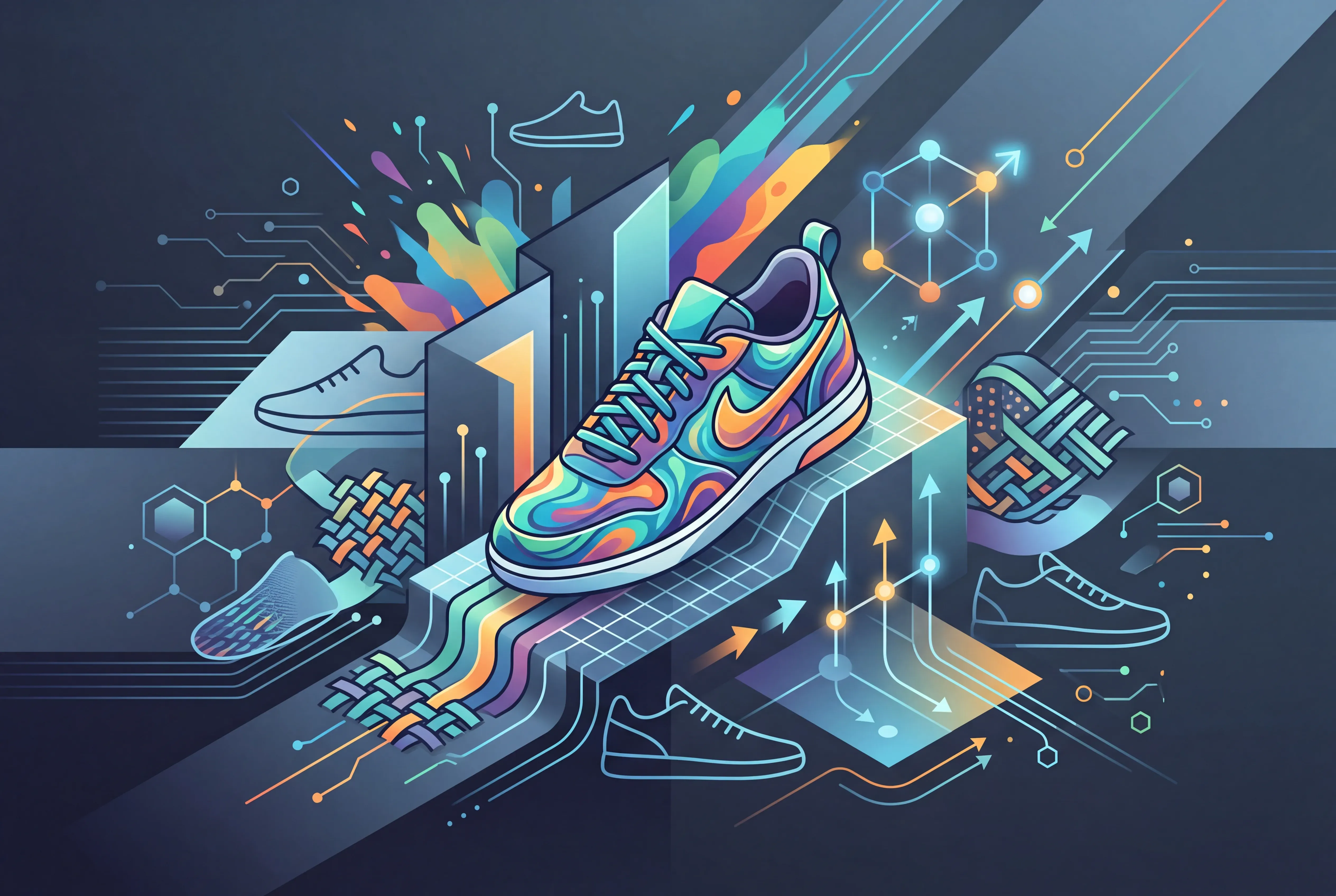
Introduction: Who is 24COLOURKICKS PRIVATE LIMITED and What Problem Do They Solve?
24COLOURKICKS PRIVATE LIMITED is a specialized footwear brand based in Nagpur, Maharashtra, that creates unique, hand-painted shoes designed by artists. The brand serves a dual purpose: providing high-quality, non-leather footwear while simultaneously acting as a platform to support the artist community and special needs individuals. By focusing on artistic expression, they address the market problem of generic, mass-produced footwear that lacks individuality and soul.
In an industry dominated by copycat brands and automated manufacturing, 24COLOURKICKS positions itself as a curator of wearable art. They recognize that modern consumers are shifting away from homogenized fashion, seeking products that tell a story. By bypassing traditional pattern-making in favor of authentic artistic creation, the brand bridges the gap between functional accessories and personal expression, ensuring that each pair is distinct and inherently valuable to the end user.
Market Analysis: Industry Trends and Target Audience
The non-leather footwear sector is witnessing a surge in demand for sustainable and ethically produced items. 24COLOURKICKS enters this market at a pivotal time, targeting conscious consumers who value craftsmanship over mass production. Their target audience includes art enthusiasts, individualists seeking bespoke fashion, and socially conscious shoppers who support brands that foster inclusivity for special-needs individuals.
Key industry trends include the "democratization of style," where consumers prefer limited-edition items over mass-market brands. Furthermore, there is a clear trend toward ethical manufacturing, where the "who made my clothes" movement has expanded into footwear. 24COLOURKICKS taps into this by ensuring their product is human-centric, aligning with the growing demand for transparent, artist-led supply chains that prioritize social impact alongside style.
Competitive Landscape: How 24COLOURKICKS PRIVATE LIMITED Compares to Existing Alternatives
The footwear market is fiercely competitive, dominated by global giants who utilize high-volume production. Compared to these, 24COLOURKICKS operates in a boutique niche. While mass-market players compete on price and distribution, this brand competes on exclusivity and emotional resonance. The core difference lies in the value proposition: a manufactured shoe vs. a curated art piece.
Key Advantages of 24COLOURKICKS PRIVATE LIMITED
- Unique Artistic Value: Each pair is individually painted, making them one-of-a-kind, which is impossible for large-scale factories to replicate.
- Social Mission: The commitment to backing the artist fraternity and providing opportunities for special-needs individuals gives the brand a strong "why" that resonates with modern buyers.
- Ethical Positioning: By avoiding leather and focusing on artistic labor, they appeal to the growing vegan and cruelty-free fashion demographic.
- Direct Artist Engagement: The design process is inherently authentic, as it originates from creative professionals rather than corporate designers aiming for trends.
Limitations and Market Challenges
- Scalability Constraints: Hand-painting is a time-intensive process, which naturally limits the number of pairs that can be produced compared to automated manufacturing.
- Price Sensitivity: High-quality artistic labor demands higher retail pricing, which may alienate cost-conscious consumers accustomed to mass-produced footwear.
- Distribution Hurdles: Maintaining quality control over a decentralized, artist-led supply chain is significantly more difficult than managing a single factory floor.
AI Startup Validation Score & Assessment
- Problem Significance: 75/100 - There is a clear market need for personalization, though it is not a 'life-or-death' industry problem.
- Market Demand: 70/100 - Niche appeal is high among art and fashion-conscious demographics, though total addressable market is smaller than mass-market brands.
- Innovation Level: 80/100 - Moving away from standard pattern-making to artistic creation is a refreshing pivot in the footwear industry.
- Business Model Potential: 65/100 - Balancing manual labor costs with profitability is the classic challenge of artisanal goods.
- Scalability Opportunity: 40/100 - By definition, artisanal, hand-painted products have a 'ceiling' on production capacity unless the model evolves into a platform for many artists.
- Competitive Advantage: 70/100 - Exclusivity serves as a strong moat against mass-market copycats.
- Long-Term Sustainability: 60/100 - Success depends on constant creative output and managing community relationships with artists.
Overall Validation Score: 66/100
Strategic Lessons for Aspiring Entrepreneurs
- Authenticity Drives Loyalty: By attaching a social cause and human stories to their product, 24COLOURKICKS builds a brand that transcends the utility of the shoe. Founders should prioritize building a brand 'story' as much as they prioritize the quality of their product.
- Niche Beats Generalization: Trying to compete with giants like Nike or Adidas on price is a losing game. 24COLOURKICKS wins by being the best at what the giants are worst at: being genuinely unique and handcrafted.
Opportunities for Concept Improvement & Expansion
- Digital Integration: They could leverage a digital platform where customers can commission custom designs directly from the artists, turning the brand into a marketplace for wearable art.
- Artist Branding: Elevating the specific artists behind the shoes to 'celebrity' status would increase the perceived value of each pair.
- Subscription or Limited Drop Models: To manage inventory and demand, moving to an exclusive 'drop' system would create FOMO and streamline the painting schedule.
Opportunities and Risks of Starting a Similar Business
Opportunities
New founders have the chance to leverage local talent and decentralized production. The rising demand for customization means that brands that can provide personalization without excessive wait times will find a loyal following. There is significant room for innovation in materials and eco-friendly pigments.
Risks
High risk of burnout among creators and the difficulty of maintaining consistent quality control. Additionally, small-scale production means that shipping and material procurement costs will always be higher on a per-unit basis, requiring a premium brand strategy to remain profitable.
Frequently Asked Questions
FAQ 1: What is the main problem that 24COLOURKICKS PRIVATE LIMITED addresses?
They solve the lack of individuality in the footwear market by providing hand-painted, artistic footwear that serves both as a fashion statement and a support mechanism for local artists and those with special needs.
FAQ 2: Who are the primary target customers for this type of business?
The primary customers are fashion-forward individuals, art lovers, and socially conscious shoppers who prioritize supporting community-driven, ethical brands over mass-produced commodities.
FAQ 3: What is the typical revenue model for a startup like 24COLOURKICKS PRIVATE LIMITED?
The revenue model is primarily direct-to-consumer (DTC) sales through e-commerce, likely supplemented by boutique pop-ups and potential collaborations with design studios or galleries.
FAQ 4: How can someone validate a similar startup idea?
Validating an artisanal business involves testing market appetite for your specific aesthetic and price point. You should create a prototype, run small-batch test ads, and gather direct feedback. Using ideation.biz can help you perform an initial competitor analysis and SWOT assessment to see if your concept stands out in your target geography.
FAQ 5: What factors should be analyzed before launching a new venture?
Key factors include market saturation, production cost, supply chain reliability, and customer acquisition costs. It is vital to determine if your target market is large enough to sustain your price point. Tools like ideation.biz allow you to gain clarity on these metrics, providing a roadmap for your launch and helping you evaluate if your business model is viable before you invest personal capital.
FAQ 6: How can founders identify hidden risks in their business concept?
Hidden risks often lie in operational scaling and market competition. A comprehensive SWOT analysis is essential. By running your concept through ideation.biz, you can identify potential blind spots, such as competitive pressures or logistical hurdles, which might not be obvious during the excitement of the initial idea phase.
Conclusion
24COLOURKICKS PRIVATE LIMITED demonstrates that a brand can thrive by focusing on the 'human touch' in an increasingly robotic retail world. By empowering artists and focusing on unique, hand-crafted products, they offer something that mass retailers simply cannot. While scalability and cost management remain challenges, the foundation of artistic value and social purpose provides a distinct competitive edge.
Ready to see if your own business vision holds water? Whether you are planning a creative startup or a tech venture, don't leave your success to guesswork. Visit ideation.biz to validate your idea, run a deep competitor analysis, and build a strategy that works from day one.
Validate Your Startup Idea Before You Invest Time & Money
Get instant market insights, competitive analysis, and strategic recommendations for your next venture.
Related Blogs
More insights on validation and entrepreneurship.